
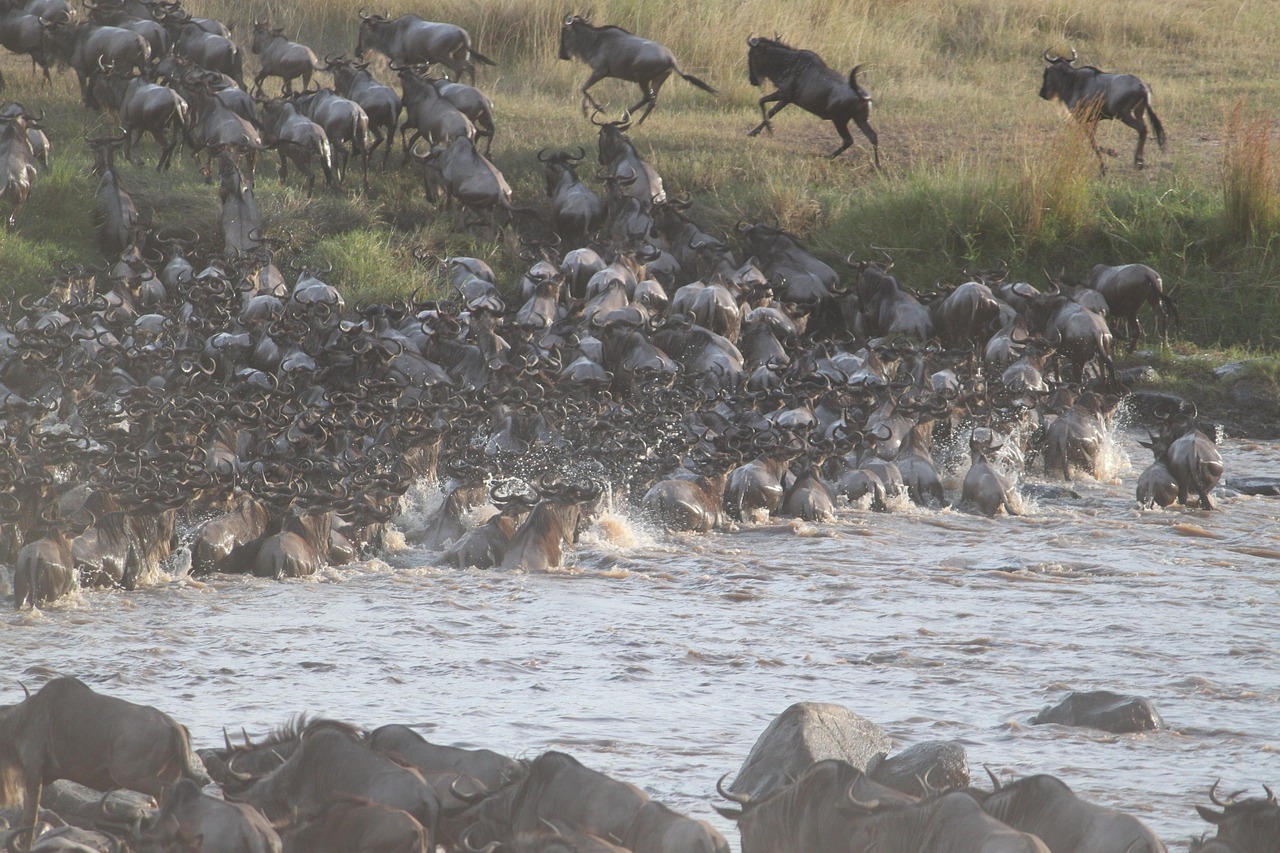
 The Great Wildebeest Migration is one of the greatest wildlife spectacles on Earth.
And here's the challenge: most travelers arrive at the wrong time, stay in the wrong location, or book camps too far from the action.
I spent days figuring this out so you don't have to.
This itinerary will show you exactly when to go, where to stay, and how to maximize your chances of witnessing the migration's most dramatic moments.
Understanding the Migration Before You Book
The guidebooks missed this, but the migration doesn't happen in one place.
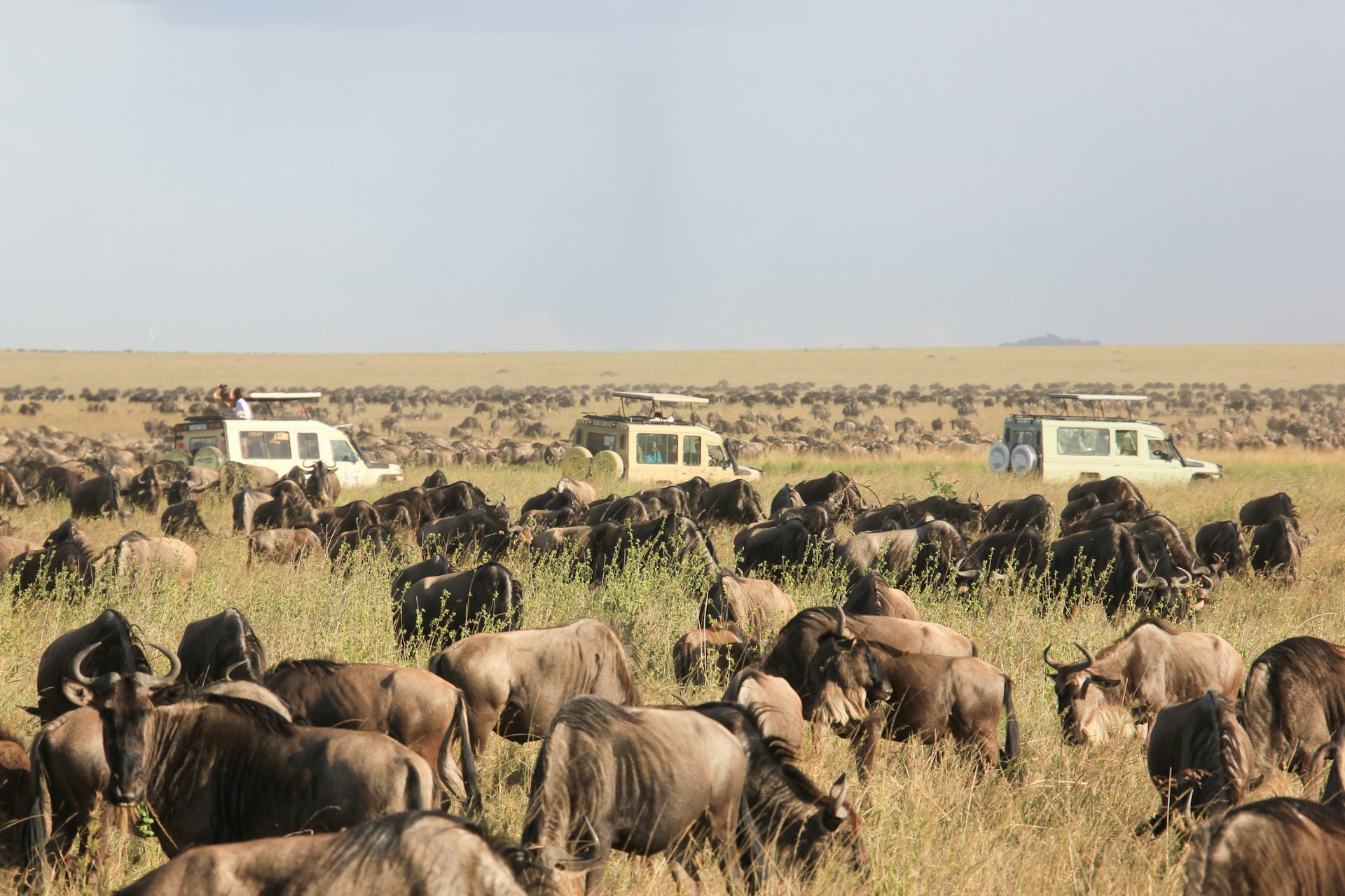
The herd, often numbering over a million wildebeest alongside hundreds of thousands of zebras and gazelles, moves continuously between the Serengeti National Park and the Maasai Mara National Reserve.
The exact timing depends on rainfall.
That's why experienced safari travelers focus less on dates and more on regions.
Think of the migration as a year-round journey rather than a single event.
When Is the Best Time to Visit?
January to March: Calving Season
Location:
- Southern Serengeti
What You'll See:
- Thousands of newborn calves
- Predator activity at its peak
- Open plains packed with wildlife
Best For:
- Wildlife photography
- Predator encounters
- Fewer crowds than river-crossing season
Where to Stay:
- Luxury tented camps in southern Serengeti
- Mobile migration camps following the herds
April to June: The Green Season Secret
Location:
- Central and Western Serengeti
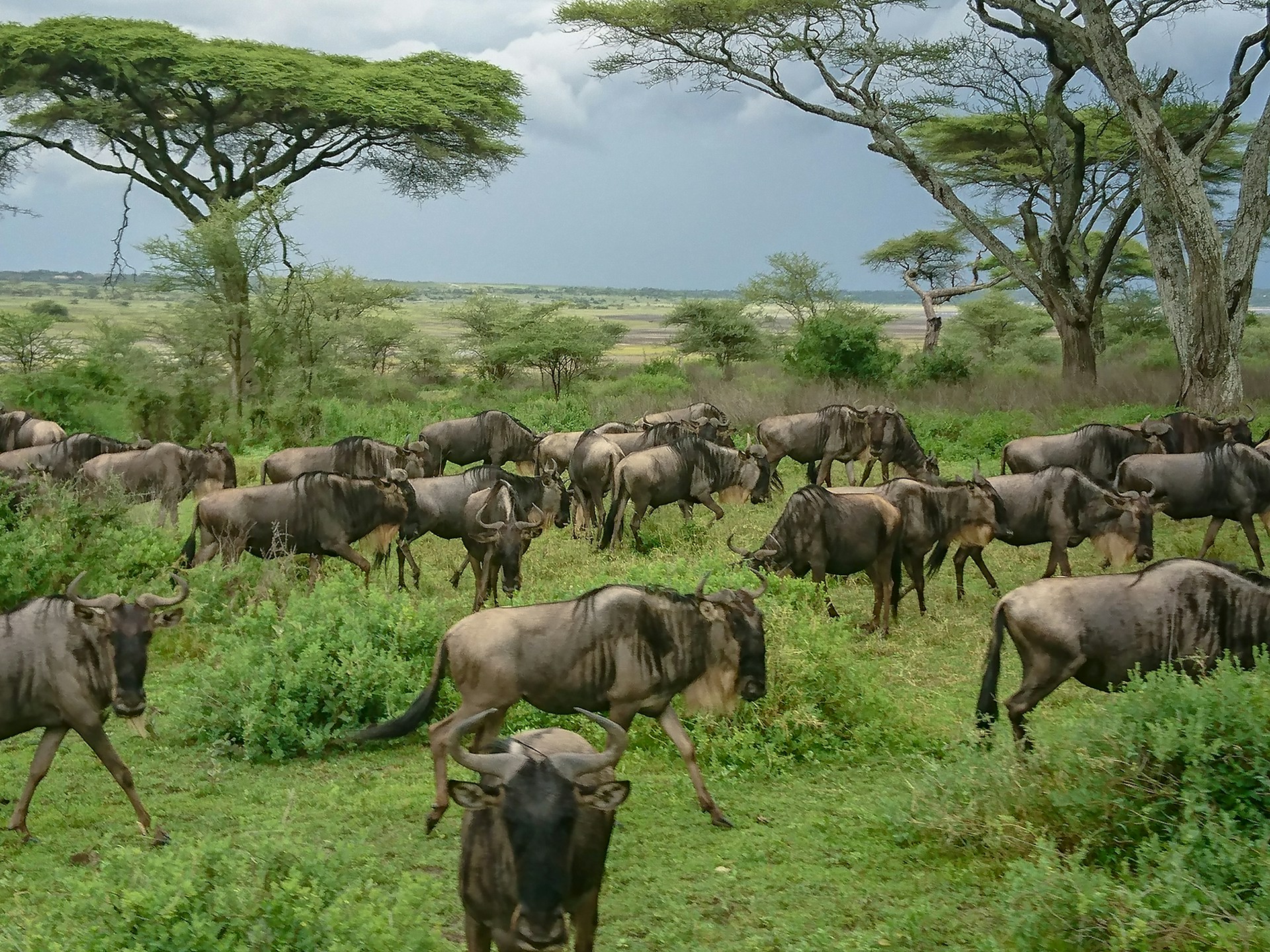
What You'll See:
- Massive moving herds
- Dramatic storm clouds
- Lush landscapes
Best For:
- Budget-conscious travelers
- Lower accommodation rates
- Fewer safari vehicles
The guidebooks focus on river crossings, but many safari experts consider this one of the most rewarding periods because the crowds haven't arrived yet.
July to October: The Famous Mara River Crossings
Location:
- Northern Serengeti and Maasai Mara
What You'll See:
- River crossings
- Crocodile encounters
- Massive herd concentrations
This is the migration you've seen in documentaries.
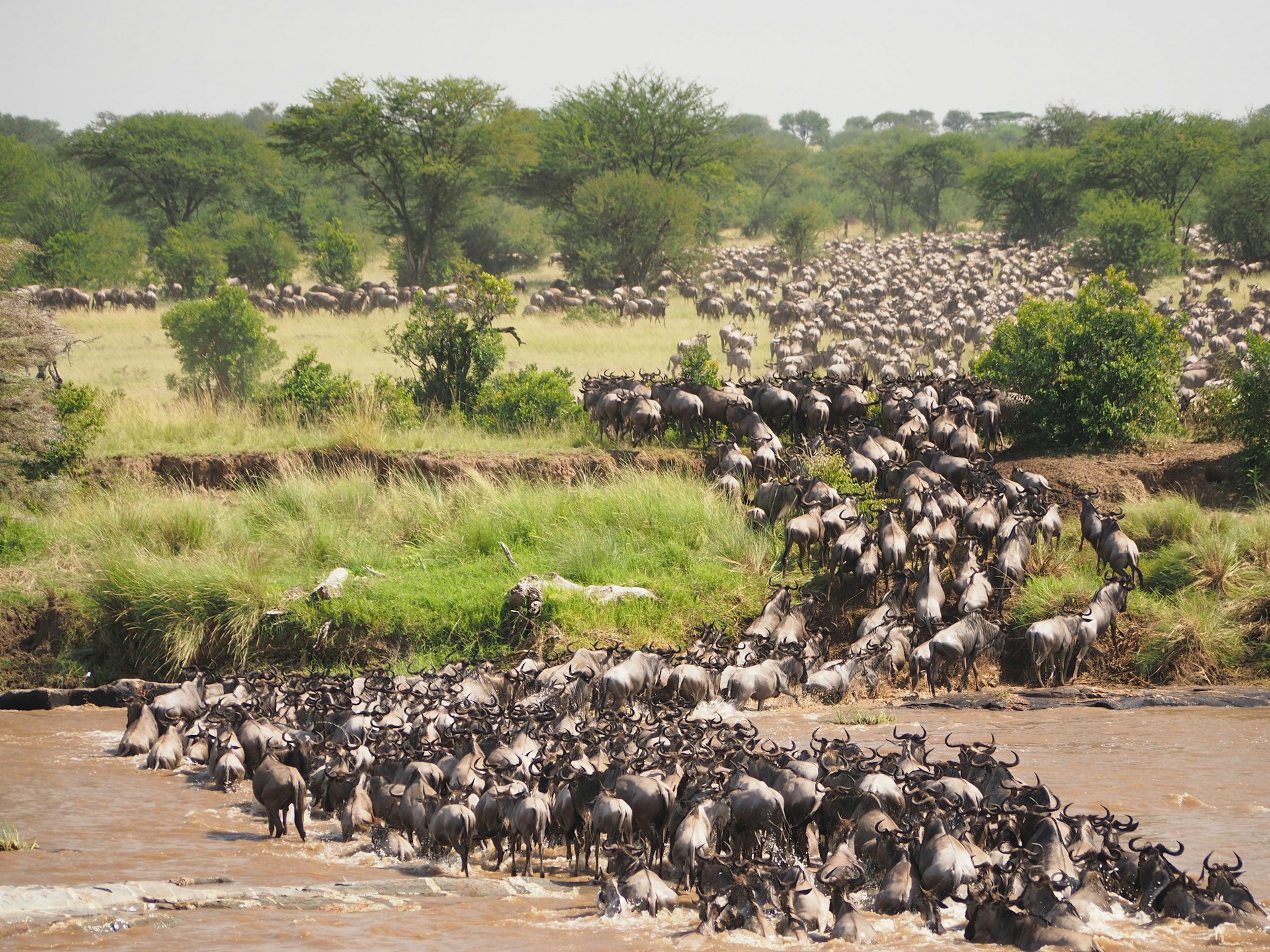
Thousands of wildebeest gather at riverbanks, hesitating before plunging into crocodile-filled waters.
It's dramatic.
It's chaotic.
And it's absolutely unforgettable.
The Perfect 7-Day Wildebeest Migration Itinerary
Day 1: Arrive in Nairobi
Start your adventure in Nairobi.
Many international flights arrive here, making it the ideal gateway to the migration.
Spend the afternoon:
- Recovering from your flight
- Visiting local markets
- Sampling Kenyan cuisine
Safari Tip:
Book a hotel near domestic flight terminals if you're flying onward to the Mara.
Day 2: Fly Into Maasai Mara
Take a bush flight into the reserve.
The aerial views alone are worth it.
As the landscape unfolds below, you'll begin to understand the sheer scale of the ecosystem.
Afternoon:
- First game drive
- Sunset photography
- Wildlife briefing
Where to Stay
Luxury:
- Angama Mara
- Mara Plains Camp
Mid-Range:
- Mara Serena Safari Lodge
Mobile Camps:
- Seasonal migration camps positioned near herd movements
Day 3: Full-Day Migration Safari
Wake before sunrise.
Trust me.
The African savannah at dawn feels almost prehistoric.
Today's focus:
- Following herd movements
- Predator sightings
- Wildlife photography
Bring:
- Extra camera batteries
- Memory cards
- A quality zoom lens
Many travelers underestimate how much photography they'll do.
Don't be one of them.
Day 4: Search for a River Crossing
This is where patience pays off.
You may spend hours watching herds gather at the riverbank.
Then suddenly:
One wildebeest jumps.
The rest follow.
Thousands surge into the water.
Dust, noise, splashing water, crocodiles, panic, survival.
It's nature at its rawest.
Safari Tip:
Choose guides who communicate with other vehicles to track herd movements.
Day 5: Maasai Cultural Experience
One of the biggest mistakes travelers make is focusing only on animals.
The surrounding region is home to the Maasai Community, whose traditions and connection to the land add another dimension to the safari experience.
Activities:
- Village visits
- Cultural storytelling
- Traditional crafts
- Community tourism projects
These experiences often become trip highlights.
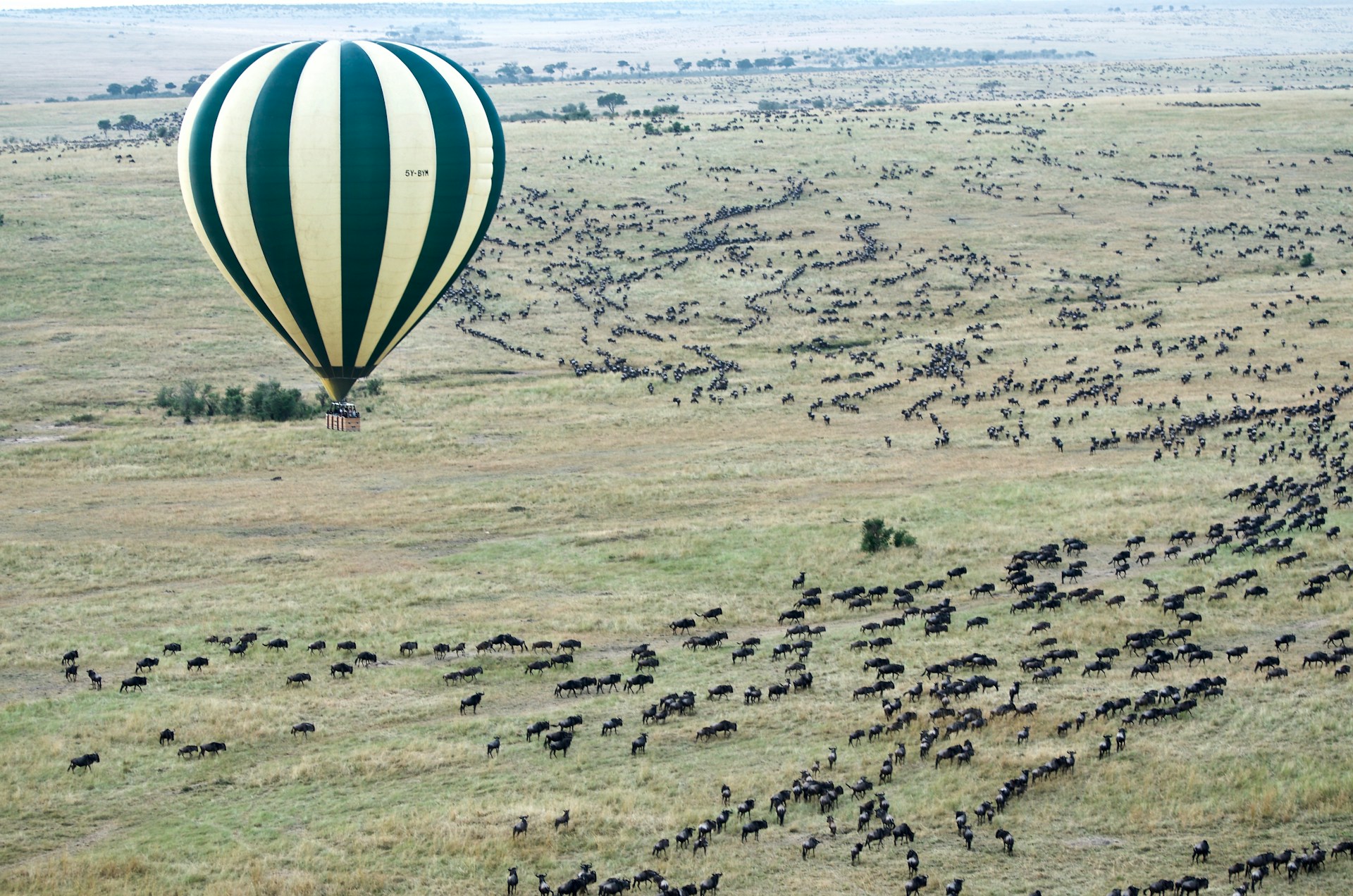
Day 6: Hot Air Balloon Safari
If your budget allows one splurge, make it this.
Floating above the plains at sunrise changes everything.
You'll see:
- Herds stretching to the horizon
- Elephants moving through acacia woodlands
- Predators returning from night hunts
It's one of those rare travel experiences that actually exceeds expectations.
Affiliate Opportunities:
- Balloon safari operators
- Travel insurance
- Premium safari packages
Day 7: Final Game Drive and Departure
Take one last early-morning drive.
You'll notice something fascinating.
The migration never really stops.
Even as your trip ends, the herds continue moving.
The journey carries on.
Where to Stay: Choosing the Right Camp
Luxury Travelers
Choose camps close to migration routes rather than simply choosing the most expensive property.
Look for:
- Expert guides
- Small vehicle numbers
- Private conservancy access
- Flexible game drives
Mid-Range Travelers
Focus on:
- Location first
- Comfort second
A modest camp near active migration routes beats a luxury lodge hours away from the herds.
Budget Travelers
Consider:
- Green season travel
- Shared safari departures
- Longer stays with lower nightly rates
You may spend less and see more.
Essential Safari Tips
Pack Neutral Colors
Avoid bright clothing.
Earth tones blend naturally into the environment.
Bring Quality Binoculars
Wildlife often appears farther away than expected.
Book Early
Migration season camps can sell out months in advance.
Stay Flexible
Animals don't follow calendars.
The best safari experiences often come from adapting to changing conditions.
Invest in Travel Insurance
Weather, flights, and wildlife movements can alter plans quickly.
The Real Secret to the Great Wildebeest Migration
Most people think the migration is about river crossings.
It isn't.
It's about movement.
It's about witnessing one of the last great natural cycles still unfolding largely as it has for thousands of years.
Standing on the plains as endless herds disappear into the distance, you realize you're watching something bigger than a safari attraction.
You're watching an ancient rhythm of survival.
And once you've experienced it, every wildlife documentary feels a little different.
Because you won't just remember seeing the migration.
You'll remember feeling the earth shake beneath your feet.
The Great Wildebeest Migration is one of the greatest wildlife spectacles on Earth.
And here's the challenge: most travelers arrive at the wrong time, stay in the wrong location, or book camps too far from the action.
I spent days figuring this out so you don't have to.
This itinerary will show you exactly when to go, where to stay, and how to maximize your chances of witnessing the migration's most dramatic moments.
Understanding the Migration Before You Book
The guidebooks missed this, but the migration doesn't happen in one place.
The herd, often numbering over a million wildebeest alongside hundreds of thousands of zebras and gazelles, moves continuously between the Serengeti National Park and the Maasai Mara National Reserve.
The exact timing depends on rainfall.
That's why experienced safari travelers focus less on dates and more on regions.
Think of the migration as a year-round journey rather than a single event.
When Is the Best Time to Visit?
January to March: Calving Season
Location:
- Southern Serengeti
What You'll See:
- Thousands of newborn calves
- Predator activity at its peak
- Open plains packed with wildlife
Best For:
- Wildlife photography
- Predator encounters
- Fewer crowds than river-crossing season
Where to Stay:
- Luxury tented camps in southern Serengeti
- Mobile migration camps following the herds
April to June: The Green Season Secret
Location:
- Central and Western Serengeti
What You'll See:
- Massive moving herds
- Dramatic storm clouds
- Lush landscapes
Best For:
- Budget-conscious travelers
- Lower accommodation rates
- Fewer safari vehicles
The guidebooks focus on river crossings, but many safari experts consider this one of the most rewarding periods because the crowds haven't arrived yet.
July to October: The Famous Mara River Crossings
Location:
- Northern Serengeti and Maasai Mara
What You'll See:
- River crossings
- Crocodile encounters
- Massive herd concentrations
This is the migration you've seen in documentaries.
Thousands of wildebeest gather at riverbanks, hesitating before plunging into crocodile-filled waters.
It's dramatic.
It's chaotic.
And it's absolutely unforgettable.
The Perfect 7-Day Wildebeest Migration Itinerary
Day 1: Arrive in Nairobi
Start your adventure in Nairobi.
Many international flights arrive here, making it the ideal gateway to the migration.
Spend the afternoon:
- Recovering from your flight
- Visiting local markets
- Sampling Kenyan cuisine
Safari Tip:
Book a hotel near domestic flight terminals if you're flying onward to the Mara.
Day 2: Fly Into Maasai Mara
Take a bush flight into the reserve.
The aerial views alone are worth it.
As the landscape unfolds below, you'll begin to understand the sheer scale of the ecosystem.
Afternoon:
- First game drive
- Sunset photography
- Wildlife briefing
Where to Stay
Luxury:
- Angama Mara
- Mara Plains Camp
Mid-Range:
- Mara Serena Safari Lodge
Mobile Camps:
- Seasonal migration camps positioned near herd movements
Day 3: Full-Day Migration Safari
Wake before sunrise.
Trust me.
The African savannah at dawn feels almost prehistoric.
Today's focus:
- Following herd movements
- Predator sightings
- Wildlife photography
Bring:
- Extra camera batteries
- Memory cards
- A quality zoom lens
Many travelers underestimate how much photography they'll do.
Don't be one of them.
Day 4: Search for a River Crossing
This is where patience pays off.
You may spend hours watching herds gather at the riverbank.
Then suddenly:
One wildebeest jumps.
The rest follow.
Thousands surge into the water.
Dust, noise, splashing water, crocodiles, panic, survival.
It's nature at its rawest.
Safari Tip:
Choose guides who communicate with other vehicles to track herd movements.
Day 5: Maasai Cultural Experience
One of the biggest mistakes travelers make is focusing only on animals.
The surrounding region is home to the Maasai Community, whose traditions and connection to the land add another dimension to the safari experience.
Activities:
- Village visits
- Cultural storytelling
- Traditional crafts
- Community tourism projects
These experiences often become trip highlights.
Day 6: Hot Air Balloon Safari
If your budget allows one splurge, make it this.
Floating above the plains at sunrise changes everything.
You'll see:
- Herds stretching to the horizon
- Elephants moving through acacia woodlands
- Predators returning from night hunts
It's one of those rare travel experiences that actually exceeds expectations.
Affiliate Opportunities:
- Balloon safari operators
- Travel insurance
- Premium safari packages
Day 7: Final Game Drive and Departure
Take one last early-morning drive.
You'll notice something fascinating.
The migration never really stops.
Even as your trip ends, the herds continue moving.
The journey carries on.
Where to Stay: Choosing the Right Camp
Luxury Travelers
Choose camps close to migration routes rather than simply choosing the most expensive property.
Look for:
- Expert guides
- Small vehicle numbers
- Private conservancy access
- Flexible game drives
Mid-Range Travelers
Focus on:
- Location first
- Comfort second
A modest camp near active migration routes beats a luxury lodge hours away from the herds.
Budget Travelers
Consider:
- Green season travel
- Shared safari departures
- Longer stays with lower nightly rates
You may spend less and see more.
Essential Safari Tips
Pack Neutral Colors
Avoid bright clothing.
Earth tones blend naturally into the environment.
Bring Quality Binoculars
Wildlife often appears farther away than expected.
Book Early
Migration season camps can sell out months in advance.
Stay Flexible
Animals don't follow calendars.
The best safari experiences often come from adapting to changing conditions.
Invest in Travel Insurance
Weather, flights, and wildlife movements can alter plans quickly.
The Real Secret to the Great Wildebeest Migration
Most people think the migration is about river crossings.
It isn't.
It's about movement.
It's about witnessing one of the last great natural cycles still unfolding largely as it has for thousands of years.
Standing on the plains as endless herds disappear into the distance, you realize you're watching something bigger than a safari attraction.
You're watching an ancient rhythm of survival.
And once you've experienced it, every wildlife documentary feels a little different.
Because you won't just remember seeing the migration.
You'll remember feeling the earth shake beneath your feet.
June 10, 2026
Comments (0)
No comments yet. Be the first to comment!
Leave a Comment
Please log in to leave a comment.
Login to Comment Register