
When Hollywood actress and conservation advocate Kristin Davis came to Kenya in 2009, she could hardly have known that one encounter would change the way she saw the country’s wildlife forever.
 While visiting the Chyulu Hills, Davis and others came across a young elephant wandering alone. The calf was eventually rescued and taken to the then David Sheldrick Wildlife Trust’s Nairobi Nursery, where she was named Chaimu. What began as an encounter with a vulnerable elephant became a lasting connection between Davis, Kenya and one of Africa’s most respected wildlife conservation organisations.
Davis later became a patron of the Trust and a passionate advocate for its work, including through the conservation documentary Gardeners of Eden, which brought the realities of Kenya’s elephant crisis and the people fighting to protect these animals to an international audience.
Her relationship with the Trust also offers an insight into what makes its approach so distinctive. Through the Trust’s adoption programme, supporters can help care for individual orphaned animals and follow their progress. But this is not adoption in the conventional sense. The purpose is not to keep a wild animal close to people.
It is to help that animal find its way home. And that idea — rescue with the ultimate goal of freedom — lies at the heart of the Sheldrick Wildlife Trust.
More Than an Elephant Orphanage
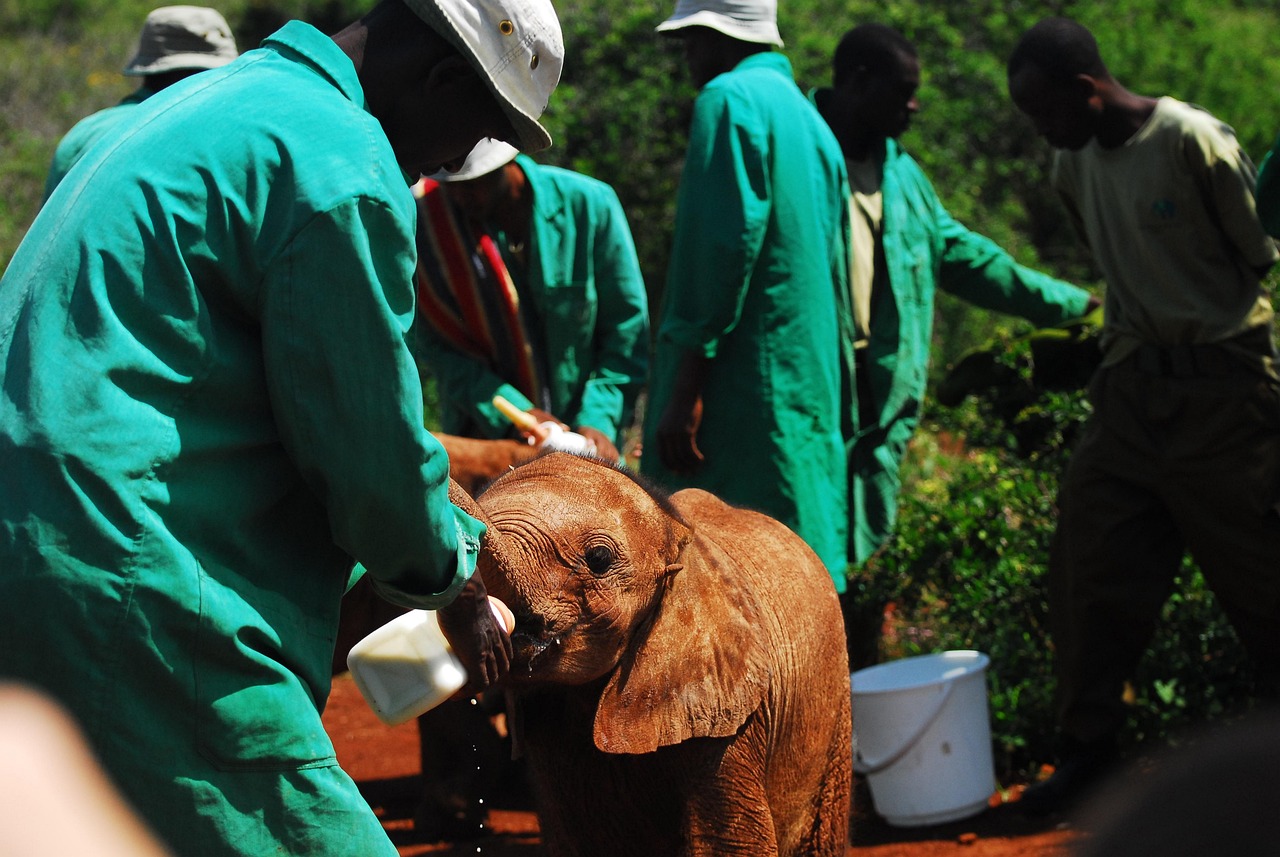
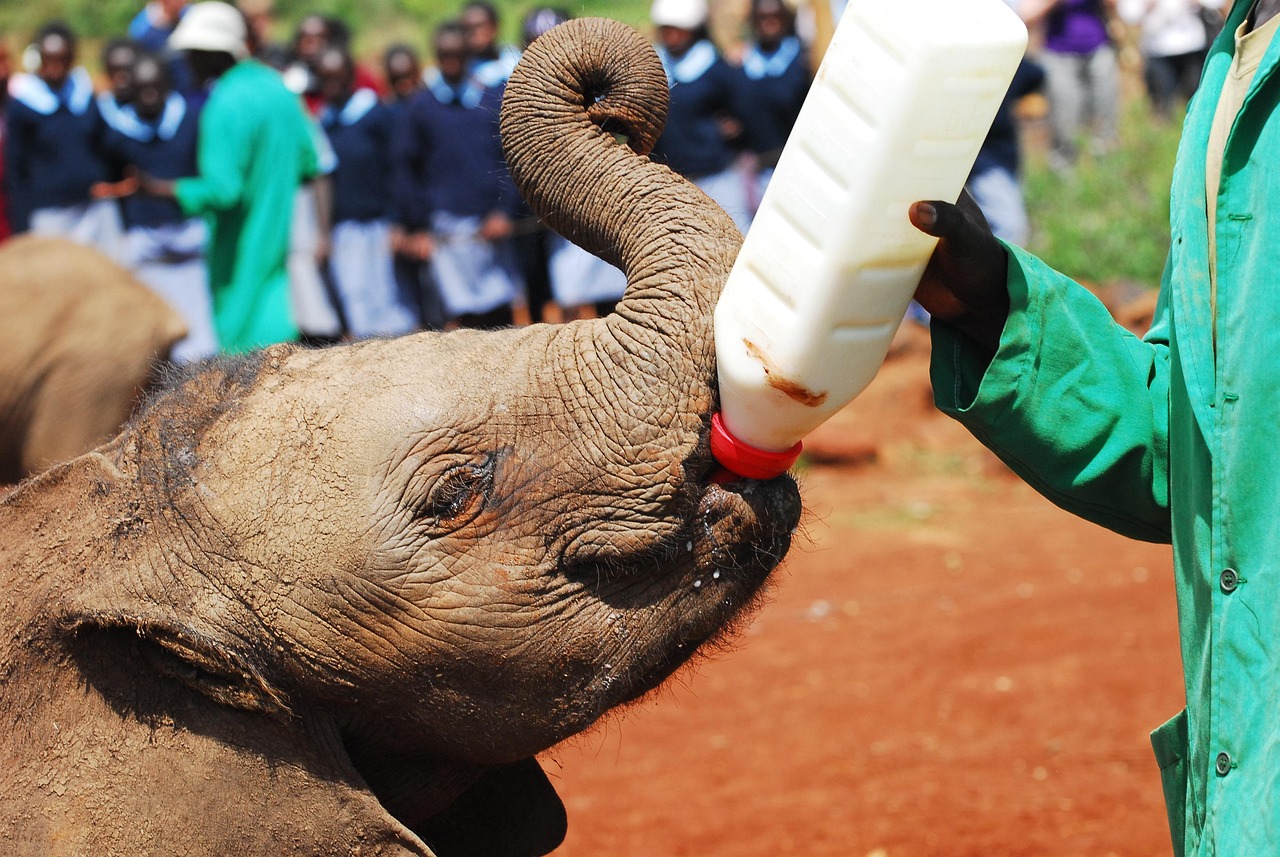
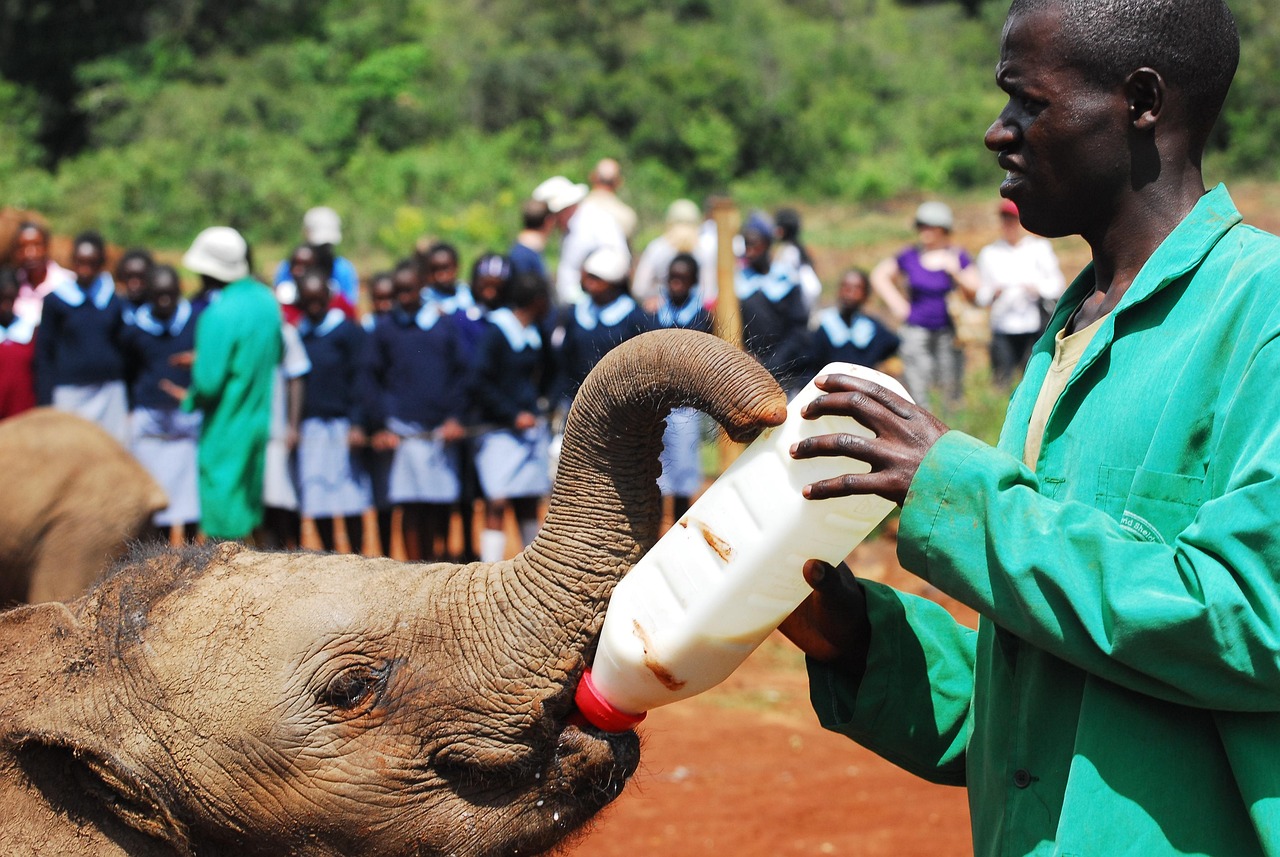
For a first-time visitor, it is easy to be captivated by the sight of baby elephants being fed milk by their keepers at the Trust’s Nairobi Nursery. There is something deeply moving about watching a tiny calf lean against the person who has become its surrogate family. But the Nursery is only the beginning.
Established in 1977 by Dame Daphne Sheldrick in memory of her husband, David Sheldrick, the Trust grew from a family's profound commitment to Kenya’s wilderness. David Sheldrick was the founding warden of Tsavo East National Park, while Daphne became a pioneer in the care and rehabilitation of orphaned elephants, developing techniques that would transform wildlife rescue.
 Today, the Sheldrick Wildlife Trust is far more than an elephant orphanage. Its mission encompasses wildlife rescue and rehabilitation, anti-poaching, veterinary care, aerial surveillance, habitat protection and community initiatives — all working towards one larger objective: protecting Kenya’s wildlife and the landscapes on which it depends.
Its best-known programme, the Orphans’ Project, rescues orphaned elephants, rhinos and other vulnerable wildlife, provides specialist care and works towards their eventual reintegration into protected wilderness. That distinction matters.
The Trust does not regard an elephant orphan as a permanent resident of a sanctuary. The objective is not simply to keep an animal alive. It is to give that animal the care, social bonds and experience it needs to eventually live as a wild elephant again.
As the Trust’s philosophy makes clear, wild animals are ultimately in human care only for the years when they are dependent on it. Their future belongs in the wild.
From Milk Bottles to the Wild
For a newly rescued elephant, survival begins with extraordinary levels of care.
Some arrive after losing their mothers to poaching. Others are orphaned through drought, human-wildlife conflict or other natural and human pressures. At the Nairobi Nursery, the youngest calves may require round-the-clock milk feeds, warmth, veterinary attention and, crucially, companionship.
Because elephants are profoundly social animals, the human keepers become much more than caregivers. They provide reassurance and stability during a period when a calf would normally be learning how to survive alongside its mother and herd.
But the milk bottles are never the destination.
 As the elephants grow stronger and more independent, their journey continues beyond Nairobi. The Trust operates reintegration units including Voi and Ithumba in Tsavo East National Park, and Umani Springs in the Kibwezi Forest. Here, former orphans gradually encounter the world they were born to inhabit — interacting with wild elephants, developing natural behaviours and acquiring the confidence needed for life beyond human care.
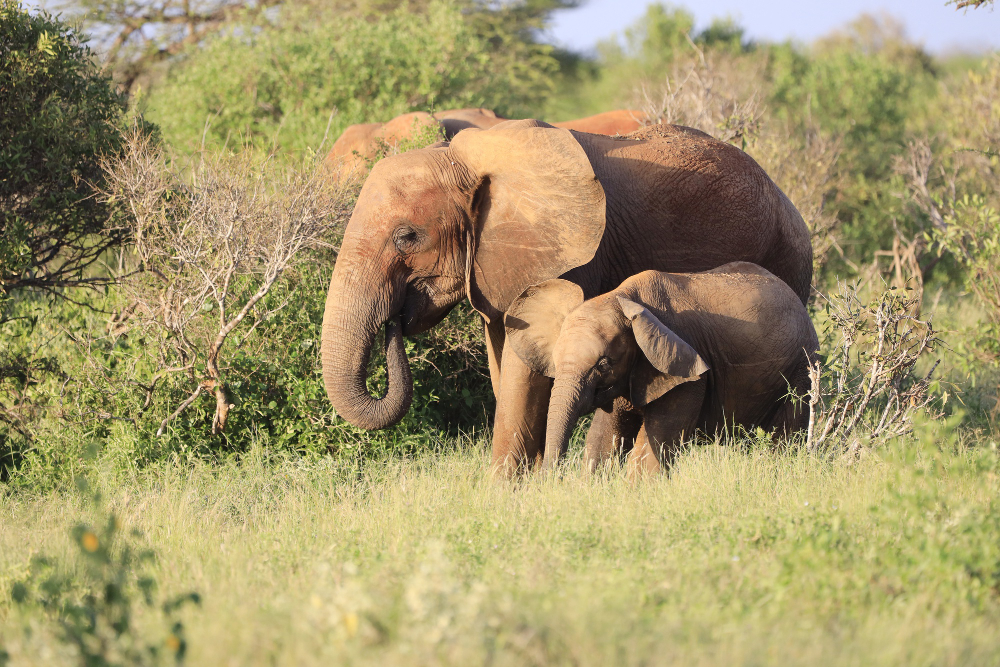
Ithumba, in particular, has become an important bridge between rehabilitation and the wild. Former orphans encounter passing herds of wild elephants and gradually begin to form relationships beyond their human family.
The wilderness becomes their classroom. The ultimate measure of success, therefore, is not how long an elephant remains at the Trust. It is whether that elephant can eventually leave.
The Bigger Picture: Saving the Home, Not Just the Animal
This is where the Sheldrick Wildlife Trust’s philosophy becomes particularly compelling.
Rescuing an orphan is only one part of conservation.
If an elephant is returned to the wild but its habitat is unsafe, or if poaching and human-wildlife conflict continue unchecked, the cycle of loss can simply begin again.
The Trust therefore looks beyond the individual animal to the bigger picture: protecting the habitats and ecosystems that make a future in the wild possible.
Its work extends across Kenya through anti-poaching operations, aerial surveillance, veterinary units, habitat protection, water projects and community initiatives.
Its anti-poaching teams work with the Kenya Wildlife Service to patrol wildlife areas and respond to illegal activity. Aerial teams provide surveillance and rapid response across vast and difficult terrain, while mobile veterinary units bring specialist treatment directly to animals in need.
It is conservation that happens far beyond the nursery gates.
Conservation and Communities
 There is another important part of the Trust’s philosophy: wildlife cannot be protected in isolation from the people who share its landscape.
Across Kenya, communities and wildlife are increasingly connected by shrinking habitats, changing land use, drought and competition for resources. Conservation therefore requires more than protecting animals from poachers. It requires finding ways for people and wildlife to coexist.
The Trust’s community initiatives support education, employment, livelihoods and practical conservation partnerships, while habitat programmes seek to protect and restore landscapes that are vital to wildlife.
The philosophy is simple but profound:
Protecting wildlife means protecting the places and communities that make a wild future possible.
Why Elephants Matter Beyond Their Beauty
There is another reason the Trust places such emphasis on elephants.
Their importance extends far beyond their undeniable beauty.
Elephants are a keystone species whose movements, feeding habits and interaction with vegetation help shape the ecosystems around them. They disperse seeds, modify habitats and influence the availability of resources for other species.
When an elephant disappears, the loss is therefore not simply one fewer animal.
It can alter an entire ecosystem.
That is why the Trust’s work connects the bottle-fed calf in Nairobi with the ranger patrolling Tsavo, the veterinarian treating an injured animal, the community living alongside wildlife and the protection of vast stretches of habitat.
Every part of the work is connected.
What Does It Really Mean to Adopt an Elephant?
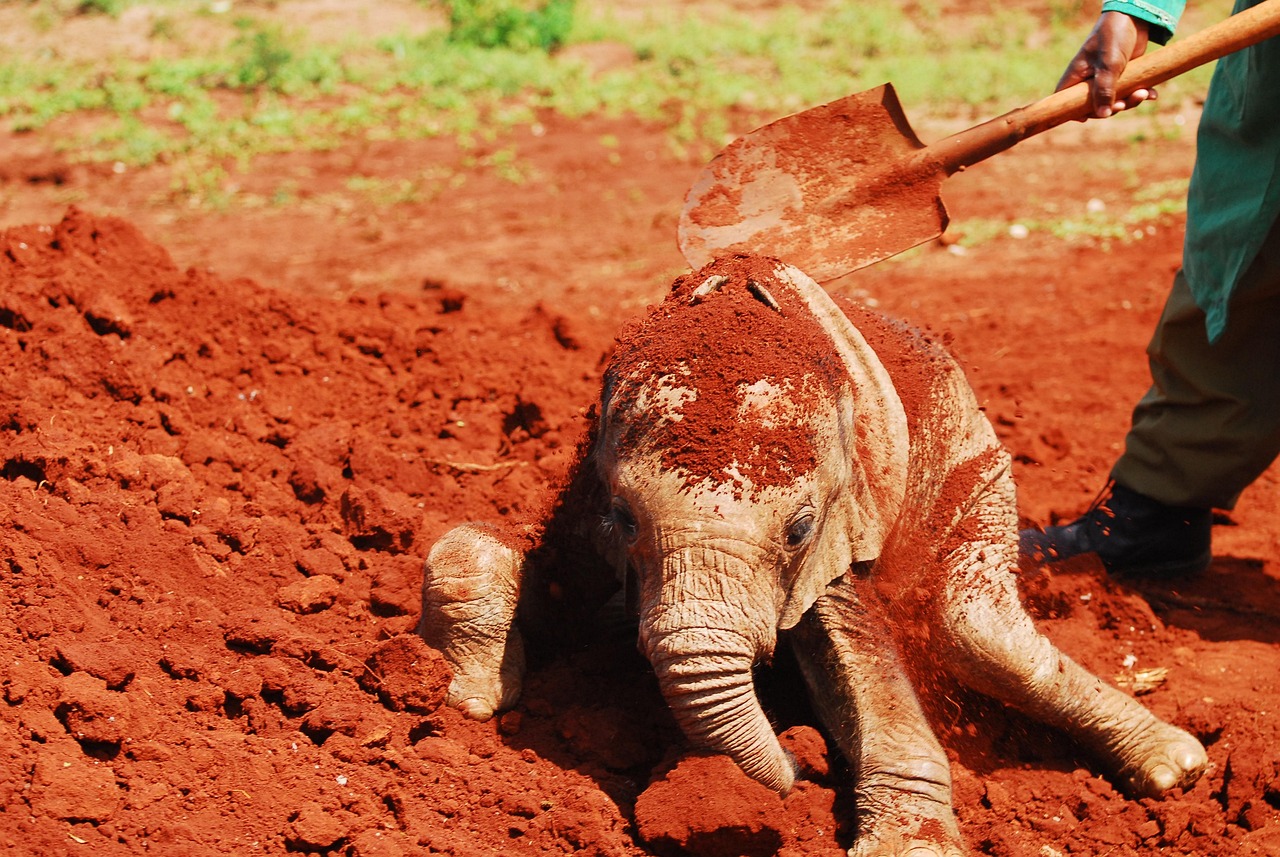 For people around the world who want to become part of this story, the Trust’s adoption programme offers a personal way to support conservation.
But an adoption here does not mean taking an elephant home.
Instead, supporters contribute towards the care of orphaned animals and the wider work of the Orphans’ Project. They can follow the progress of their adopted orphan and watch as it grows from a vulnerable calf into an increasingly independent animal.
For Kristin Davis, that relationship has particular resonance.
Her connection to the Trust began with Chaimu, the orphan she helped rescue in 2009. Chaimu eventually progressed through the Trust’s rehabilitation system and towards life in the wild.
Then, in 2024, came an extraordinary chapter in her story: Chaimu returned to the Ithumba area and gave birth to her own calf, Chapa.
An elephant that had once arrived as an orphan had become a wild mother.
It is difficult to imagine a more powerful illustration of what the Trust is trying to achieve.
You are not adopting an animal to keep it close.
You are helping give it back its freedom.
Visiting the Nairobi Nursery
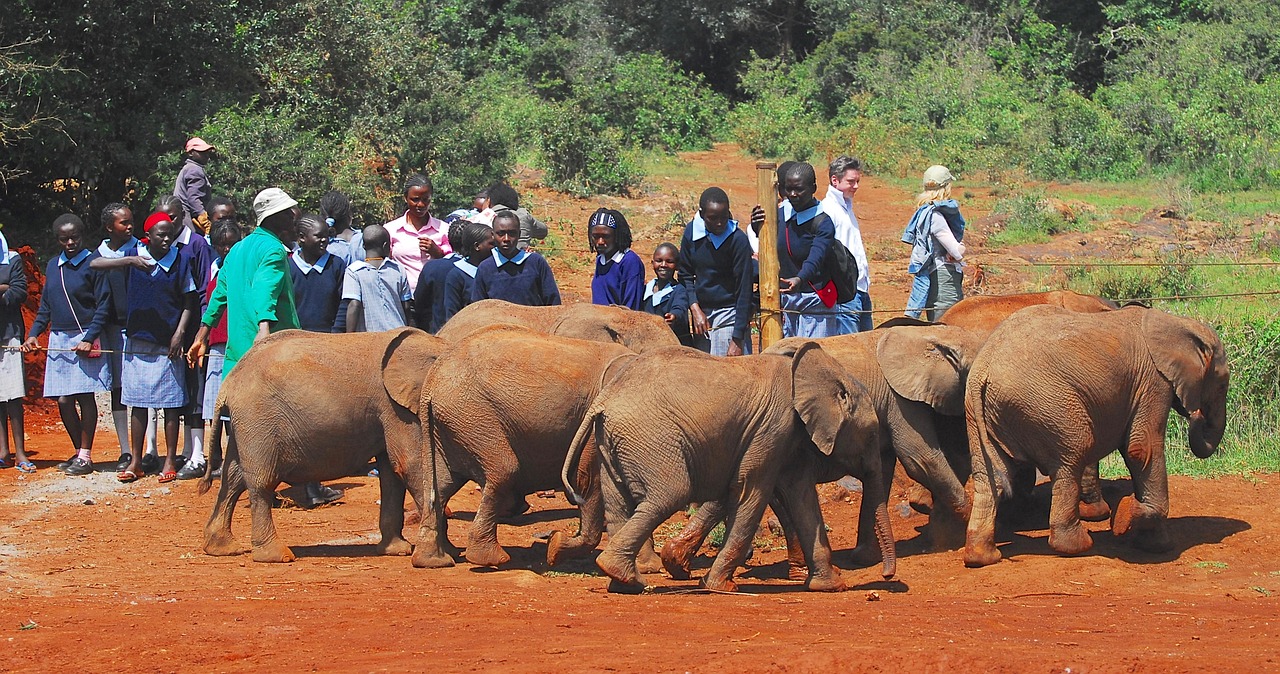 For travellers in Kenya, the Trust’s Nairobi Nursery offers a rare opportunity to witness the earliest stages of this remarkable journey.
The public visit currently takes place from 11am to noon, every day except 25 December, and must be booked in advance. Visitors contribute towards the Nursery’s work, while separate Nairobi National Park entry fees are payable to the Kenya Wildlife Service.
For a traveller, the experience is undeniably memorable. But understanding the philosophy behind it makes the visit even more meaningful.
Look beyond the feeding bottles.
Watch the keepers building trust with animals that have experienced extraordinary loss. Notice the calves beginning to develop the confidence and independence they will eventually need. And remember that the nursery is only one chapter in a journey that may lead, years later, to the vast wilderness of Tsavo.
The most rewarding visit is not simply about seeing baby elephants.
It is about understanding why they are there — and where they are meant to go.
Insider Tips for Visiting Sheldrick Wildlife Trust
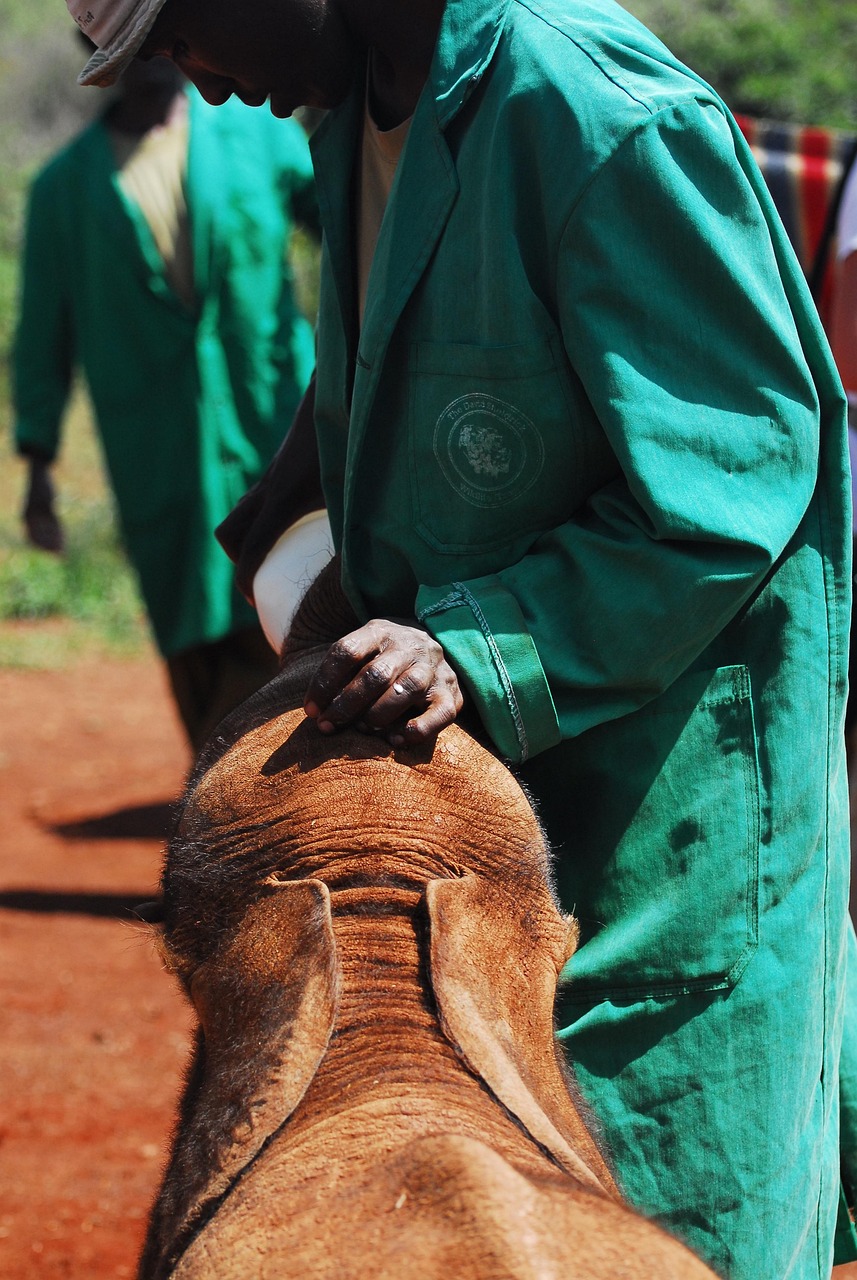 Arrive in good time for the scheduled Nursery visit and book ahead, as spaces are limited. Listen closely to the keepers and guides; their stories offer some of the most memorable insights into the individual elephants and the challenges of conservation.
Photography enthusiasts should follow the Trust’s guidelines and avoid disturbing the animals. A medium-range lens can be useful for capturing intimate moments without getting too close.
If you have adopted an elephant, check its latest updates before your visit. Knowing an animal’s story can transform the experience from simply watching an elephant calf into following a conservation journey.
And above all, slow down.
The magic of Sheldrick is not found in rushing from one encounter to the next. It is in watching the relationship between the elephants and their keepers, listening to their stories and appreciating the years of care that stand behind every successful return to the wild.
A Conservation Story Still Being Written
The story of the Sheldrick Wildlife Trust began with a family’s love for Kenya and its wilderness. Nearly five decades later, that vision has grown into a multi-dimensional conservation organisation working to rescue wildlife, protect habitats, support communities and create a future in which wild animals can remain wild.
Kristin Davis’s story offers an accessible way into that much larger story.
A Hollywood actress came to Kenya, encountered an orphaned elephant and chose to help. Through Gardeners of Eden, audiences around the world were given a glimpse of the much bigger battle taking place beyond the nursery — a battle involving rangers, veterinarians, conservationists, communities and the animals themselves.
But the real story was never simply about a celebrity and a baby elephant.
It is about what happens when rescue becomes rehabilitation, rehabilitation becomes rewilding, and one rescued animal becomes part of a living ecosystem again.
At Sheldrick, the most beautiful ending is not an elephant remaining at the orphanage.
It is an elephant walking away from it — free.
When Hollywood actress and conservation advocate Kristin Davis came to Kenya in 2009, she could hardly have known that one encounter would change the way she saw the country’s wildlife forever.
While visiting the Chyulu Hills, Davis and others came across a young elephant wandering alone. The calf was eventually rescued and taken to the then David Sheldrick Wildlife Trust’s Nairobi Nursery, where she was named Chaimu. What began as an encounter with a vulnerable elephant became a lasting connection between Davis, Kenya and one of Africa’s most respected wildlife conservation organisations.

Davis later became a patron of the Trust and a passionate advocate for its work, including through the conservation documentary Gardeners of Eden, which brought the realities of Kenya’s elephant crisis and the people fighting to protect these animals to an international audience.
Her relationship with the Trust also offers an insight into what makes its approach so distinctive. Through the Trust’s adoption programme, supporters can help care for individual orphaned animals and follow their progress. But this is not adoption in the conventional sense. The purpose is not to keep a wild animal close to people.
It is to help that animal find its way home. And that idea — rescue with the ultimate goal of freedom — lies at the heart of the Sheldrick Wildlife Trust.
More Than an Elephant Orphanage
For a first-time visitor, it is easy to be captivated by the sight of baby elephants being fed milk by their keepers at the Trust’s Nairobi Nursery. There is something deeply moving about watching a tiny calf lean against the person who has become its surrogate family. But the Nursery is only the beginning.
Established in 1977 by Dame Daphne Sheldrick in memory of her husband, David Sheldrick, the Trust grew from a family's profound commitment to Kenya’s wilderness. David Sheldrick was the founding warden of Tsavo East National Park, while Daphne became a pioneer in the care and rehabilitation of orphaned elephants, developing techniques that would transform wildlife rescue.
Today, the Sheldrick Wildlife Trust is far more than an elephant orphanage. Its mission encompasses wildlife rescue and rehabilitation, anti-poaching, veterinary care, aerial surveillance, habitat protection and community initiatives — all working towards one larger objective: protecting Kenya’s wildlife and the landscapes on which it depends.
Its best-known programme, the Orphans’ Project, rescues orphaned elephants, rhinos and other vulnerable wildlife, provides specialist care and works towards their eventual reintegration into protected wilderness. That distinction matters.
The Trust does not regard an elephant orphan as a permanent resident of a sanctuary. The objective is not simply to keep an animal alive. It is to give that animal the care, social bonds and experience it needs to eventually live as a wild elephant again.
As the Trust’s philosophy makes clear, wild animals are ultimately in human care only for the years when they are dependent on it. Their future belongs in the wild.
From Milk Bottles to the Wild
For a newly rescued elephant, survival begins with extraordinary levels of care.
Some arrive after losing their mothers to poaching. Others are orphaned through drought, human-wildlife conflict or other natural and human pressures. At the Nairobi Nursery, the youngest calves may require round-the-clock milk feeds, warmth, veterinary attention and, crucially, companionship.
Because elephants are profoundly social animals, the human keepers become much more than caregivers. They provide reassurance and stability during a period when a calf would normally be learning how to survive alongside its mother and herd.
But the milk bottles are never the destination.
As the elephants grow stronger and more independent, their journey continues beyond Nairobi. The Trust operates reintegration units including Voi and Ithumba in Tsavo East National Park, and Umani Springs in the Kibwezi Forest. Here, former orphans gradually encounter the world they were born to inhabit — interacting with wild elephants, developing natural behaviours and acquiring the confidence needed for life beyond human care.
Ithumba, in particular, has become an important bridge between rehabilitation and the wild. Former orphans encounter passing herds of wild elephants and gradually begin to form relationships beyond their human family.
The wilderness becomes their classroom. The ultimate measure of success, therefore, is not how long an elephant remains at the Trust. It is whether that elephant can eventually leave.
The Bigger Picture: Saving the Home, Not Just the Animal
This is where the Sheldrick Wildlife Trust’s philosophy becomes particularly compelling.
Rescuing an orphan is only one part of conservation.
If an elephant is returned to the wild but its habitat is unsafe, or if poaching and human-wildlife conflict continue unchecked, the cycle of loss can simply begin again.
The Trust therefore looks beyond the individual animal to the bigger picture: protecting the habitats and ecosystems that make a future in the wild possible.
Its work extends across Kenya through anti-poaching operations, aerial surveillance, veterinary units, habitat protection, water projects and community initiatives.
Its anti-poaching teams work with the Kenya Wildlife Service to patrol wildlife areas and respond to illegal activity. Aerial teams provide surveillance and rapid response across vast and difficult terrain, while mobile veterinary units bring specialist treatment directly to animals in need.
It is conservation that happens far beyond the nursery gates.
Conservation and Communities
There is another important part of the Trust’s philosophy: wildlife cannot be protected in isolation from the people who share its landscape.
Across Kenya, communities and wildlife are increasingly connected by shrinking habitats, changing land use, drought and competition for resources. Conservation therefore requires more than protecting animals from poachers. It requires finding ways for people and wildlife to coexist.
The Trust’s community initiatives support education, employment, livelihoods and practical conservation partnerships, while habitat programmes seek to protect and restore landscapes that are vital to wildlife.
The philosophy is simple but profound:
Protecting wildlife means protecting the places and communities that make a wild future possible.
Why Elephants Matter Beyond Their Beauty
There is another reason the Trust places such emphasis on elephants.
Their importance extends far beyond their undeniable beauty.
Elephants are a keystone species whose movements, feeding habits and interaction with vegetation help shape the ecosystems around them. They disperse seeds, modify habitats and influence the availability of resources for other species.
When an elephant disappears, the loss is therefore not simply one fewer animal.
It can alter an entire ecosystem.
That is why the Trust’s work connects the bottle-fed calf in Nairobi with the ranger patrolling Tsavo, the veterinarian treating an injured animal, the community living alongside wildlife and the protection of vast stretches of habitat.
Every part of the work is connected.
What Does It Really Mean to Adopt an Elephant?
For people around the world who want to become part of this story, the Trust’s adoption programme offers a personal way to support conservation.
But an adoption here does not mean taking an elephant home.
Instead, supporters contribute towards the care of orphaned animals and the wider work of the Orphans’ Project. They can follow the progress of their adopted orphan and watch as it grows from a vulnerable calf into an increasingly independent animal.
For Kristin Davis, that relationship has particular resonance.
Her connection to the Trust began with Chaimu, the orphan she helped rescue in 2009. Chaimu eventually progressed through the Trust’s rehabilitation system and towards life in the wild.
Then, in 2024, came an extraordinary chapter in her story: Chaimu returned to the Ithumba area and gave birth to her own calf, Chapa.
An elephant that had once arrived as an orphan had become a wild mother.
It is difficult to imagine a more powerful illustration of what the Trust is trying to achieve.
You are not adopting an animal to keep it close.
You are helping give it back its freedom.
Visiting the Nairobi Nursery
For travellers in Kenya, the Trust’s Nairobi Nursery offers a rare opportunity to witness the earliest stages of this remarkable journey.
The public visit currently takes place from 11am to noon, every day except 25 December, and must be booked in advance. Visitors contribute towards the Nursery’s work, while separate Nairobi National Park entry fees are payable to the Kenya Wildlife Service.
For a traveller, the experience is undeniably memorable. But understanding the philosophy behind it makes the visit even more meaningful.
Look beyond the feeding bottles.
Watch the keepers building trust with animals that have experienced extraordinary loss. Notice the calves beginning to develop the confidence and independence they will eventually need. And remember that the nursery is only one chapter in a journey that may lead, years later, to the vast wilderness of Tsavo.
The most rewarding visit is not simply about seeing baby elephants.
It is about understanding why they are there — and where they are meant to go.
Insider Tips for Visiting Sheldrick Wildlife Trust
Arrive in good time for the scheduled Nursery visit and book ahead, as spaces are limited. Listen closely to the keepers and guides; their stories offer some of the most memorable insights into the individual elephants and the challenges of conservation.
Photography enthusiasts should follow the Trust’s guidelines and avoid disturbing the animals. A medium-range lens can be useful for capturing intimate moments without getting too close.
If you have adopted an elephant, check its latest updates before your visit. Knowing an animal’s story can transform the experience from simply watching an elephant calf into following a conservation journey.
And above all, slow down.
The magic of Sheldrick is not found in rushing from one encounter to the next. It is in watching the relationship between the elephants and their keepers, listening to their stories and appreciating the years of care that stand behind every successful return to the wild.
A Conservation Story Still Being Written
The story of the Sheldrick Wildlife Trust began with a family’s love for Kenya and its wilderness. Nearly five decades later, that vision has grown into a multi-dimensional conservation organisation working to rescue wildlife, protect habitats, support communities and create a future in which wild animals can remain wild.
Kristin Davis’s story offers an accessible way into that much larger story.
A Hollywood actress came to Kenya, encountered an orphaned elephant and chose to help. Through Gardeners of Eden, audiences around the world were given a glimpse of the much bigger battle taking place beyond the nursery — a battle involving rangers, veterinarians, conservationists, communities and the animals themselves.
But the real story was never simply about a celebrity and a baby elephant.
It is about what happens when rescue becomes rehabilitation, rehabilitation becomes rewilding, and one rescued animal becomes part of a living ecosystem again.
At Sheldrick, the most beautiful ending is not an elephant remaining at the orphanage.
It is an elephant walking away from it — free.
By Muoka Mutuku
August 31, 2026
Comments (0)
No comments yet. Be the first to comment!
Leave a Comment
Please log in to leave a comment.
Login to Comment Register