Overview
The martyrs were a group of 22 Catholics and 23 Anglicans, many of whom were pages in the court of King Mwanga II of the Buganda Kingdom. Their execution between 1885 and 1887 remains a powerful symbol of faith and resistance. The Catholic martyrs were canonized as saints by Pope Paul VI in 1964, making them the first sub-Saharan Africans to be recognized as such.
1. Architectural Highlights
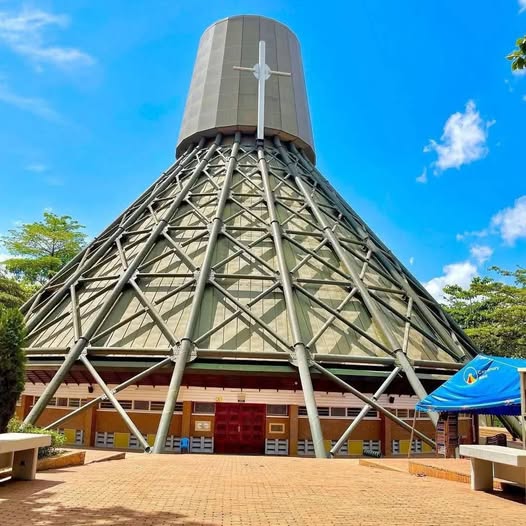
- The Basilica’s "African Hut" Design: Designed by Swiss architect Justus Dahinden, the Catholic Shrine is shaped like a traditional Buganda reed hut. This circular design symbolizes the shelter and protection of the faith.
- The 22 Copper Pillars: The structure is supported by 22 massive copper pillars (each over 100 feet tall). These represent the 22 Catholic Martyrs who were canonized as saints.
- The Stained-Glass Dome: The apex of the basilica features a stunning dome with stained-glass windows that depict the lives and sacrifice of the martyrs, filtering colorful, natural light into the sanctuary.
- The Carved Wooden Doors: The main entrance features heavy wooden doors intricately carved with scenes illustrating the history of the martyrs from their time in the King's palace to their execution.
2. Sacred Sites & Exhibits
- The Altar of St. Charles Lwanga: Inside the basilica, the main altar is positioned exactly on the spot where St. Charles Lwanga (the leader of the martyrs) was burnt alive on June 3, 1886.
- The Martyrs' Museum: An onsite museum features lifelike sculptures, historical photographs, and artifacts that tell the chronological story of the 1885–1887 executions. It provides a deep dive into the political tension between the Buganda Kingdom and the arrival of Christianity.
- The Execution Spot (Anglican Shrine): About 2 km from the basilica is the Anglican site, featuring a museum and the prison cell where many martyrs were held and tortured before being burnt at the stake.
3. The Martyrs' Lake & Pavilion
- The Man-Made Lake: This large, serene body of water was excavated in memory of the work St. Charles Lwanga did as a page in the royal palace (where he oversaw the digging of the Kabaka's Lake).
- The Island Pavilion: In the center of the lake stands a circular, grass-thatched pavilion. This is used as the main altar during the massive Martyrs' Day celebrations, allowing the hundreds of thousands of pilgrims on the banks to have a clear view of the liturgy.
4. Modern Features & Pilgrimage
- The Way of the Cross: Beautifully landscaped "Reflection Gardens" surround the basilica, featuring statues and prayer stations for visitors seeking a quiet space for meditation.
- Holy Water Collection: Many pilgrims believe the water from the Martyrs' Lake has healing properties; you will often see visitors collecting water in small jerrycans to take home.
- Sound & Light Capabilities: The site is equipped with a modern sound system that broadcasts the Rosary and hymns across the 15-acre property, maintaining a constant atmosphere of prayer.
Reviews
No reviews yet for this tour.