
Ecotourism in East Africa: Five Unforgettable Eco-Adventures
Looking for a holiday that goes beyond ordinary sightseeing? Ecotourism in East Africa gives travellers the chance to explore spectacular landscapes, encounter iconic wildlife and experience local cultures while travelling more responsibly.
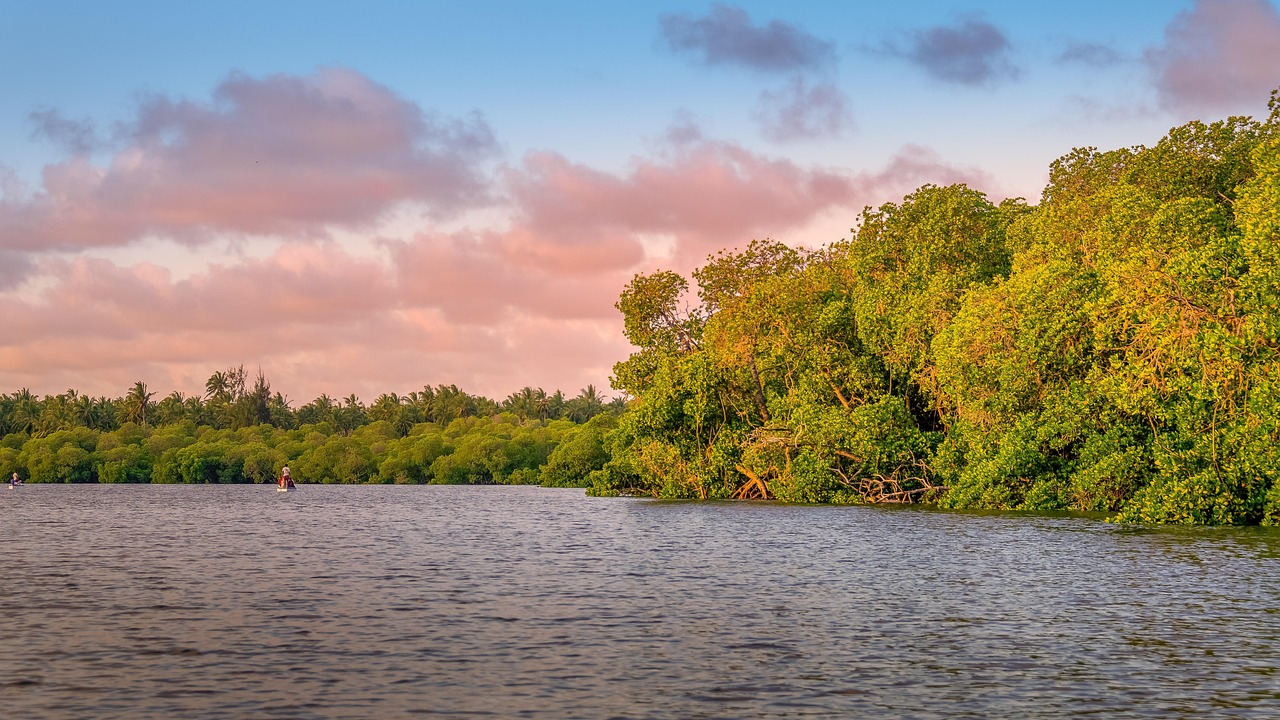 From Uganda's mountain forests and Kenya's desert landscapes to Tanzania's wildlife-rich plains, Rwanda's gorilla habitat and Zanzibar's mangrove forests, East Africa offers some of the world's most remarkable nature-based adventures.
Ecotourism is not simply about spending time outdoors. Responsible eco-travel aims to minimise environmental damage, protect wildlife and natural habitats, support local communities and help visitors understand why these environments matter.
With Epiki Tours, your East African adventure can become more than another holiday. Discover destinations where wildlife conservation, outdoor adventure and local experiences come together, and see why these five ecotourism attractions deserve a place on your travel itinerary.
1. Mount Elgon, Uganda
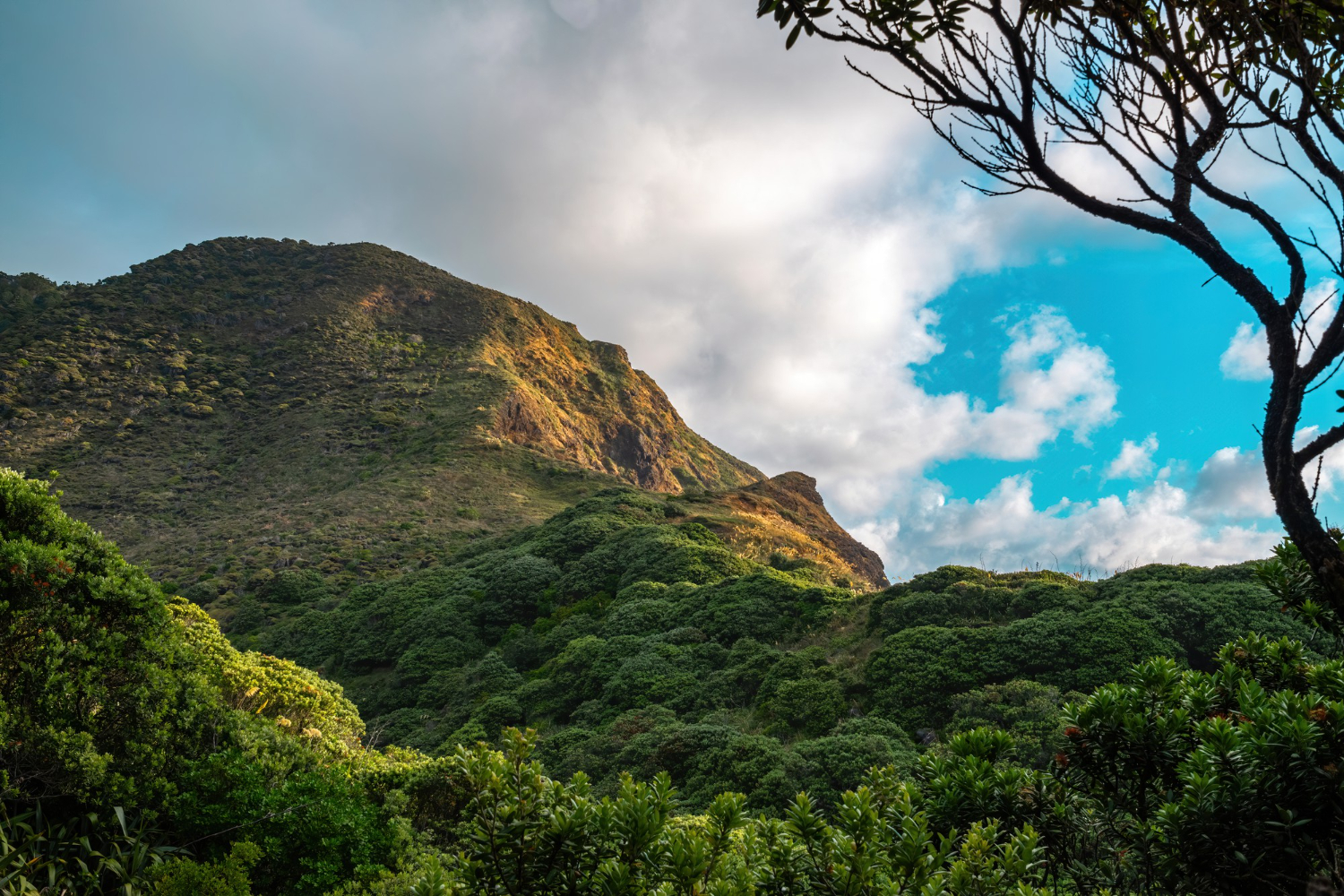 Rising along the border between Uganda and Kenya, Mount Elgon is an excellent destination for travellers who prefer exploring Africa on foot.
This ancient volcanic mountain is surrounded by forests, waterfalls, caves, bamboo vegetation and dramatic high-altitude scenery. Instead of travelling between wildlife sightings in a safari vehicle, visitors can slow down and experience the environment through guided walks and mountain trekking.
Choose a shorter nature trail if you want a relaxed introduction to the forest, or take on a longer trek through the changing vegetation towards Mount Elgon's higher slopes and volcanic caldera.
Birdwatchers can search for the many species found around the mountain, while nature lovers may encounter monkeys and other forest wildlife along the trails.
A visit can also be combined with Sipi Falls, one of eastern Uganda's best-known natural attractions. Here, travellers can hike between waterfalls and visit nearby coffee-growing communities to learn how local coffee is cultivated and processed.
Why Is Mount Elgon an Ecotourism Destination?
Walking and hiking are relatively low-impact ways to experience a protected landscape. Park visits contribute towards conservation, while hiring local guides and participating in community-based activities helps spread tourism income beyond major hotels and attractions.
Why Visit Mount Elgon?
Visit for forest scenery, waterfalls, birdwatching and mountain adventure without the crowds associated with some of East Africa's most famous trekking destinations.
It is ideal for hikers, photographers and travellers seeking a quieter side of Uganda.
2. Lake Turkana, Kenya
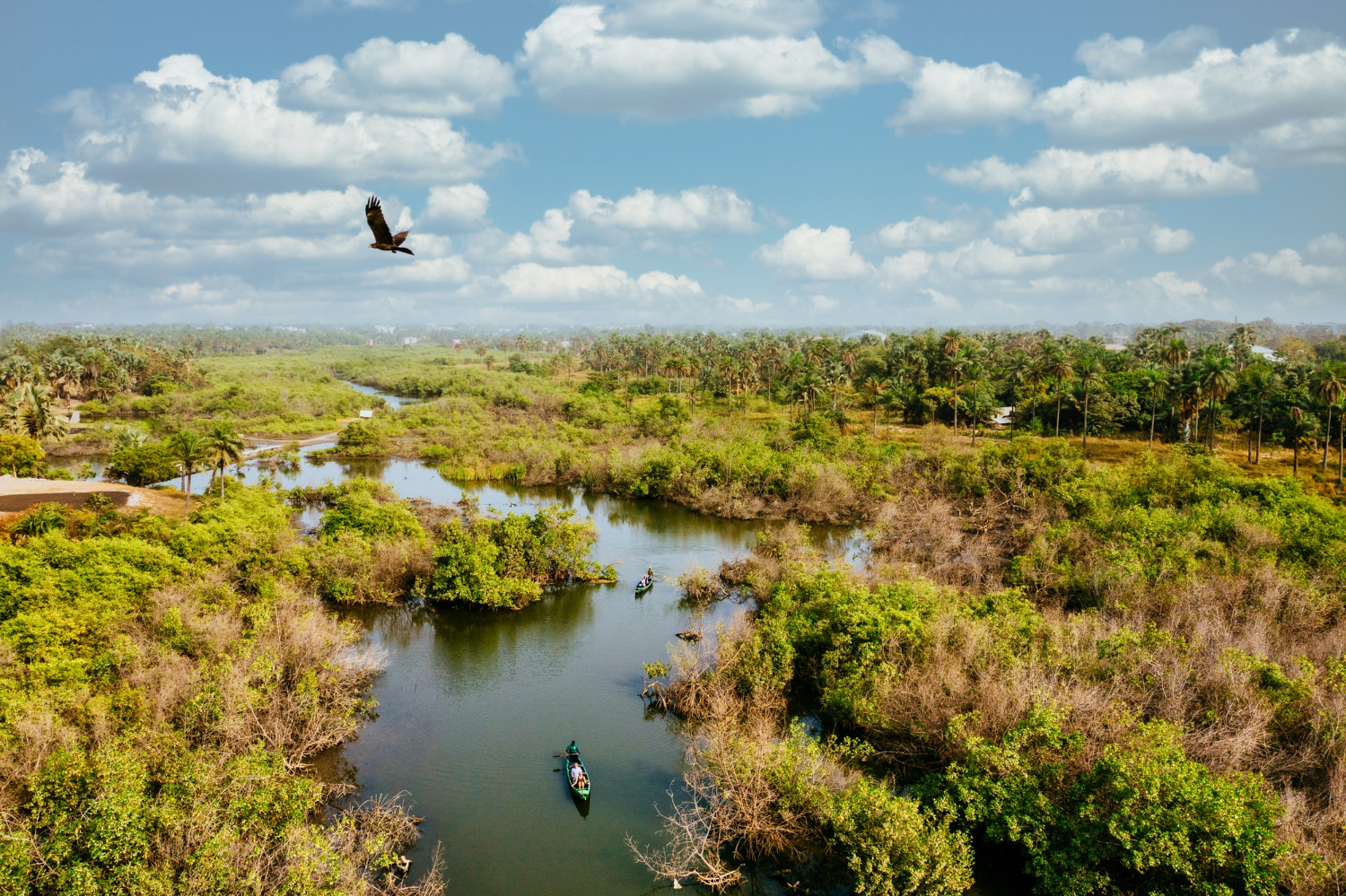 Northern Kenya's Lake Turkana looks almost otherworldly.
Surrounded by dry landscapes, volcanic formations and vast open skies, it is the world's largest desert lake and one of Kenya's most distinctive destinations.
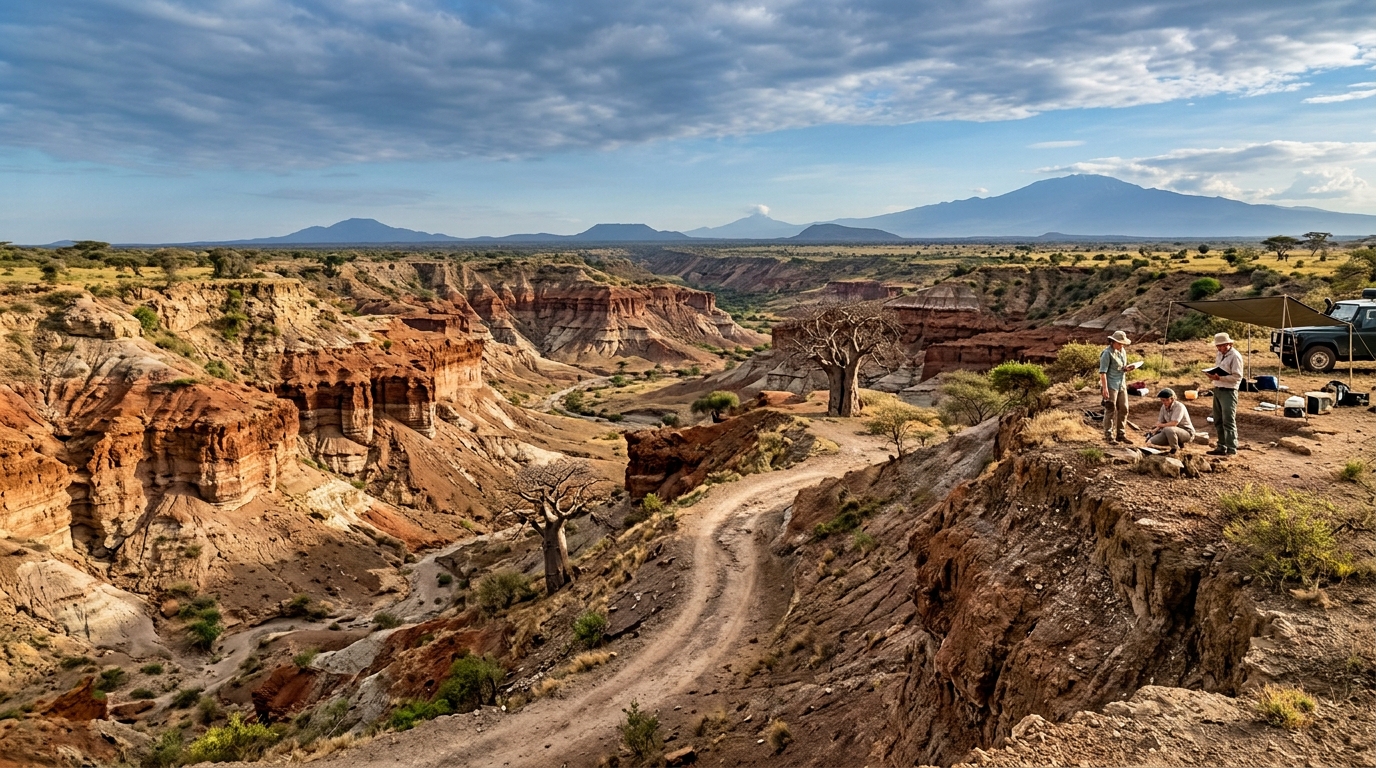
Travellers can explore the protected landscapes around Sibiloi National Park, Central Island and South Island. The wider Koobi Fora region near Sibiloi is particularly fascinating because archaeological and fossil discoveries made here have contributed enormously to our understanding of early human history.
That means a Lake Turkana journey combines wildlife, geology, archaeology and adventure.
Birdwatchers can observe waterbirds around the lake, while photographers will find dramatic combinations of desert, volcanic rock and striking blue-green water.
Some areas can also be explored by boat with experienced local operators. Because Lake Turkana is remote and supports Nile crocodiles, independent water activities should never be treated casually. Travellers should follow local safety advice and use knowledgeable guides.
Why Is Lake Turkana Ecotourism?
Responsible tourism can contribute to protecting both the natural environment and internationally important archaeological heritage surrounding the lake.
Travelling with local guides and established operators can also bring economic opportunities to communities in a region far removed from Kenya's main tourism centres.
Why Visit Lake Turkana?
Choose Lake Turkana if you want an adventure beyond Kenya's traditional safari circuit.
It is particularly suited to photographers, history enthusiasts, birdwatchers and travellers who appreciate remote landscapes and places that still feel genuinely wild.
3. The Serengeti, Tanzania
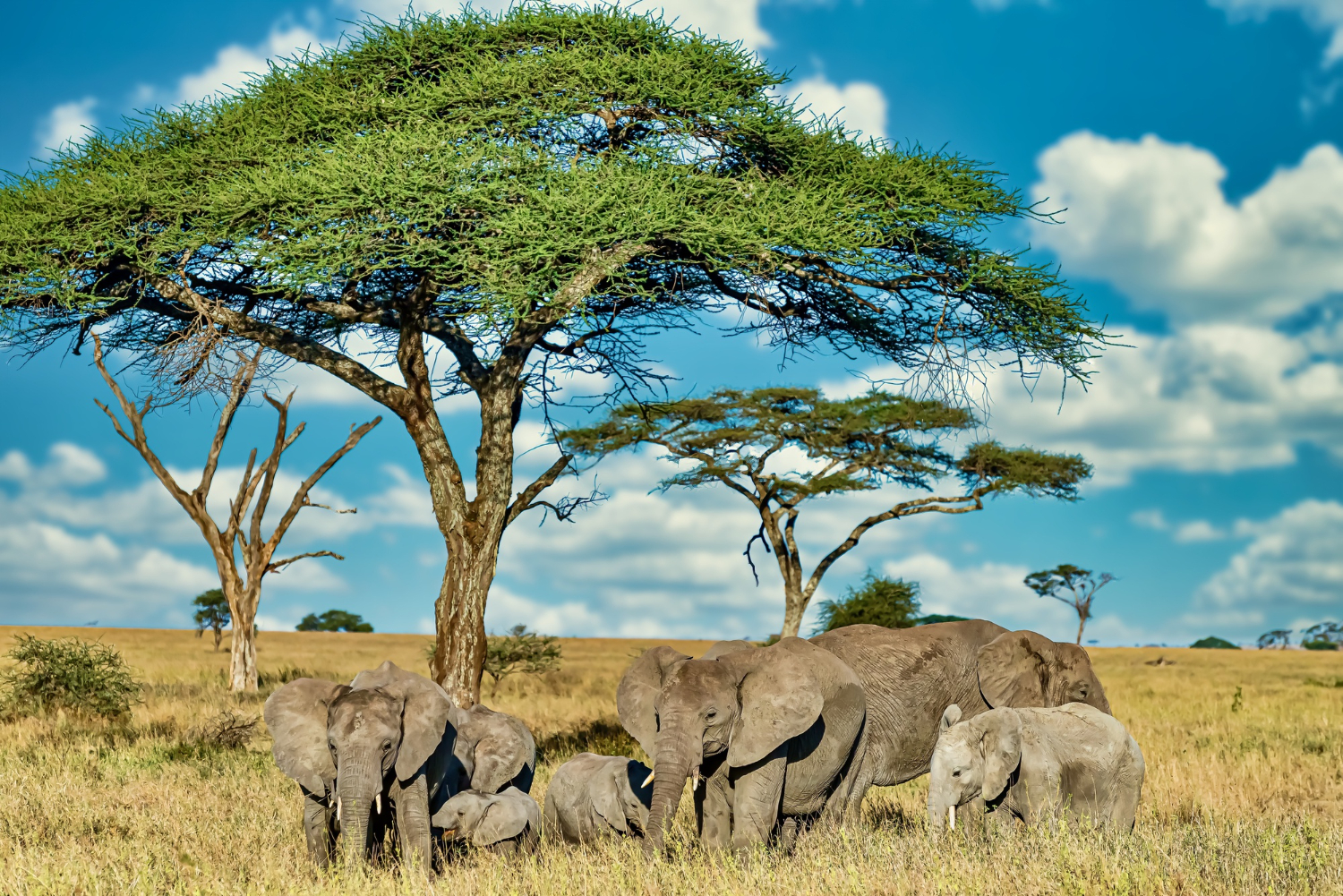 Few destinations represent African wildlife as powerfully as the Serengeti.
Its immense grasslands support lions, cheetahs, elephants, giraffes, hyenas, zebras, wildebeest and countless other species. Yet the real attraction is not simply seeing individual animals. It is watching them interact within one of the planet's great natural ecosystems.
A guided Serengeti safari allows visitors to observe wildlife while learning about predator-prey relationships, migration, habitats and conservation.
Depending on the area and local regulations, authorised nocturnal wildlife experiences may also be available outside normal daytime safari hours. Always book these experiences through legitimate operators, as ordinary night driving is restricted within Serengeti National Park.
Why Is a Serengeti Safari Ecotourism?
When properly managed, wildlife tourism provides an economic reason to conserve habitats and protect animals.
Visitors can contribute by using responsible safari operators, following park rules, keeping appropriate distances from wildlife and refusing activities that involve chasing, feeding or disturbing animals for photographs.
Why Visit the Serengeti?
The Serengeti gives you the opportunity to experience wildlife on an enormous scale.
Whether you are watching lions resting beneath an acacia tree or thousands of wildebeest moving across the plains, the landscape constantly reminds you that the animals are part of a much larger ecosystem.
For first-time safari travellers, it is one of East Africa's essential destinations.
4. Volcanoes National Park Rwanda
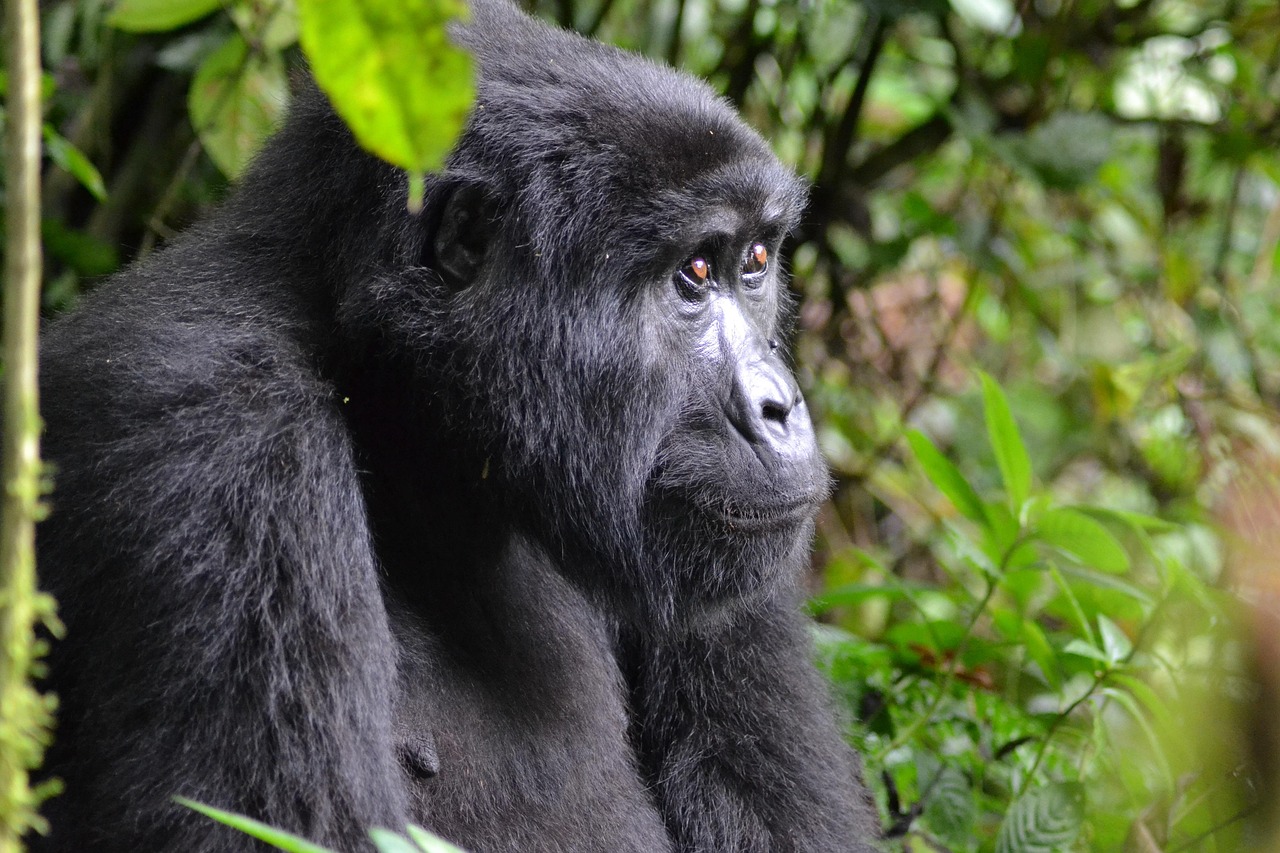 A gorilla trek in Rwanda's Volcanoes National Park is one of East Africa's most extraordinary wildlife experiences.
Your journey begins on foot, following experienced guides through mountainous forest and thick bamboo vegetation in search of a habituated mountain gorilla family.
The trek may involve steep, muddy and uneven trails, and reaching the gorillas can take anything from a relatively short walk to several hours.
Then comes the moment travellers have crossed continents to experience: watching mountain gorillas living naturally in the forest.
Why Is Gorilla Trekking Ecotourism?
Gorilla tourism is tightly regulated. Visitor numbers are restricted, viewing periods are limited and strict rules govern how people behave around the animals.
These restrictions help reduce disturbance and protect gorillas from unnecessary human contact.
Tourism revenue also contributes towards conservation while supporting guides, porters and communities surrounding the protected area.
Why Visit Volcanoes National Park?
Seeing mountain gorillas at close range is profoundly different from seeing wildlife from a vehicle.
You have walked into their environment rather than bringing them into yours.
For wildlife enthusiasts and photographers, it can easily become the defining experience of an East African holiday.
5. Zanzibar's Mangroves Kayaking
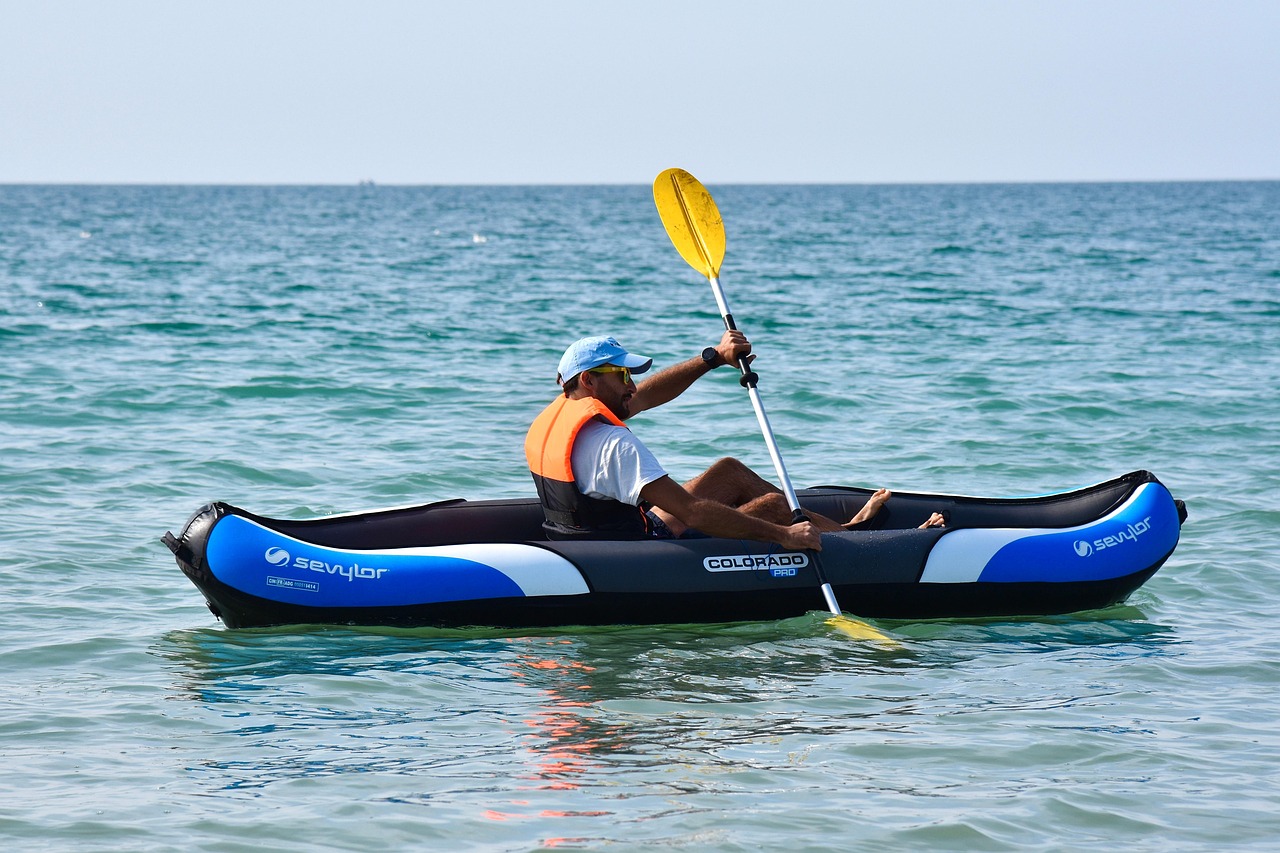 Zanzibar may be famous for tropical beaches, but venture away from the resorts and another ecosystem appears.
Zanzibar's mangrove forests form networks of tidal channels where tangled roots rise from shallow water and provide habitat for birds, crabs, fish and other coastal wildlife.
A guided kayak tour is one of the most peaceful ways to explore them.
Paddle slowly between mangrove channels, watch mudskippers and crabs around exposed roots and listen for birds in the surrounding vegetation.
Because kayaking uses no motor, travellers can experience the ecosystem with relatively little noise or disturbance.
Why Is Mangrove Kayaking Ecotourism?
Healthy mangroves support marine biodiversity and help protect coastlines.
Responsible tours allow travellers to explore these environments while learning why they need conserving. Locally operated excursions can also create income for communities that depend on healthy coastal ecosystems.
Why Visit Zanzibar's Mangroves?
A mangrove adventure provides the perfect contrast to Zanzibar's beaches and historical attractions.
Spend part of your holiday swimming in the Indian Ocean and another morning quietly paddling through wetlands few conventional beach tourists experience.
It is particularly suitable for couples, families, photographers and travellers seeking a gentle eco-adventure.
Make Your East African Holiday Count
The appeal of East Africa ecotourism lies in its extraordinary variety.
You can trek through Uganda's mountain forests, explore Kenya's desert lake, watch wildlife across Tanzania's Serengeti, encounter mountain gorillas in Rwanda and paddle through Zanzibar's tropical mangroves all within one region.
Responsible travel means choosing experiences that respect wildlife, employ knowledgeable local guides, protect sensitive habitats and create meaningful benefits for surrounding communities.
With Epiki Tours, you can turn these extraordinary landscapes into an East African journey built around adventure, nature and memorable encounters.
Start planning your East Africa eco-tour and discover the region beyond the usual tourist trail. Whether your dream involves gorilla trekking, wildlife safaris, mountain hiking or coastal exploration, East Africa offers an adventure worth travelling for.
Ecotourism in East Africa: Five Unforgettable Eco-Adventures
Looking for a holiday that goes beyond ordinary sightseeing? Ecotourism in East Africa gives travellers the chance to explore spectacular landscapes, encounter iconic wildlife and experience local cultures while travelling more responsibly.
From Uganda's mountain forests and Kenya's desert landscapes to Tanzania's wildlife-rich plains, Rwanda's gorilla habitat and Zanzibar's mangrove forests, East Africa offers some of the world's most remarkable nature-based adventures.
Ecotourism is not simply about spending time outdoors. Responsible eco-travel aims to minimise environmental damage, protect wildlife and natural habitats, support local communities and help visitors understand why these environments matter.


With Epiki Tours, your East African adventure can become more than another holiday. Discover destinations where wildlife conservation, outdoor adventure and local experiences come together, and see why these five ecotourism attractions deserve a place on your travel itinerary.
1. Mount Elgon, Uganda
Rising along the border between Uganda and Kenya, Mount Elgon is an excellent destination for travellers who prefer exploring Africa on foot.

This ancient volcanic mountain is surrounded by forests, waterfalls, caves, bamboo vegetation and dramatic high-altitude scenery. Instead of travelling between wildlife sightings in a safari vehicle, visitors can slow down and experience the environment through guided walks and mountain trekking.
Choose a shorter nature trail if you want a relaxed introduction to the forest, or take on a longer trek through the changing vegetation towards Mount Elgon's higher slopes and volcanic caldera.
Birdwatchers can search for the many species found around the mountain, while nature lovers may encounter monkeys and other forest wildlife along the trails.
A visit can also be combined with Sipi Falls, one of eastern Uganda's best-known natural attractions. Here, travellers can hike between waterfalls and visit nearby coffee-growing communities to learn how local coffee is cultivated and processed.
Why Is Mount Elgon an Ecotourism Destination?
Walking and hiking are relatively low-impact ways to experience a protected landscape. Park visits contribute towards conservation, while hiring local guides and participating in community-based activities helps spread tourism income beyond major hotels and attractions.
Why Visit Mount Elgon?
Visit for forest scenery, waterfalls, birdwatching and mountain adventure without the crowds associated with some of East Africa's most famous trekking destinations.
It is ideal for hikers, photographers and travellers seeking a quieter side of Uganda.
2. Lake Turkana, Kenya
Northern Kenya's Lake Turkana looks almost otherworldly.
Surrounded by dry landscapes, volcanic formations and vast open skies, it is the world's largest desert lake and one of Kenya's most distinctive destinations.
Travellers can explore the protected landscapes around Sibiloi National Park, Central Island and South Island. The wider Koobi Fora region near Sibiloi is particularly fascinating because archaeological and fossil discoveries made here have contributed enormously to our understanding of early human history.
That means a Lake Turkana journey combines wildlife, geology, archaeology and adventure.
Birdwatchers can observe waterbirds around the lake, while photographers will find dramatic combinations of desert, volcanic rock and striking blue-green water.
Some areas can also be explored by boat with experienced local operators. Because Lake Turkana is remote and supports Nile crocodiles, independent water activities should never be treated casually. Travellers should follow local safety advice and use knowledgeable guides.
Why Is Lake Turkana Ecotourism?
Responsible tourism can contribute to protecting both the natural environment and internationally important archaeological heritage surrounding the lake.
Travelling with local guides and established operators can also bring economic opportunities to communities in a region far removed from Kenya's main tourism centres.
Why Visit Lake Turkana?
Choose Lake Turkana if you want an adventure beyond Kenya's traditional safari circuit.
It is particularly suited to photographers, history enthusiasts, birdwatchers and travellers who appreciate remote landscapes and places that still feel genuinely wild.
3. The Serengeti, Tanzania
Few destinations represent African wildlife as powerfully as the Serengeti.
Its immense grasslands support lions, cheetahs, elephants, giraffes, hyenas, zebras, wildebeest and countless other species. Yet the real attraction is not simply seeing individual animals. It is watching them interact within one of the planet's great natural ecosystems.
A guided Serengeti safari allows visitors to observe wildlife while learning about predator-prey relationships, migration, habitats and conservation.
Depending on the area and local regulations, authorised nocturnal wildlife experiences may also be available outside normal daytime safari hours. Always book these experiences through legitimate operators, as ordinary night driving is restricted within Serengeti National Park.
Why Is a Serengeti Safari Ecotourism?
When properly managed, wildlife tourism provides an economic reason to conserve habitats and protect animals.
Visitors can contribute by using responsible safari operators, following park rules, keeping appropriate distances from wildlife and refusing activities that involve chasing, feeding or disturbing animals for photographs.
Why Visit the Serengeti?
The Serengeti gives you the opportunity to experience wildlife on an enormous scale.
Whether you are watching lions resting beneath an acacia tree or thousands of wildebeest moving across the plains, the landscape constantly reminds you that the animals are part of a much larger ecosystem.
For first-time safari travellers, it is one of East Africa's essential destinations.
4. Volcanoes National Park Rwanda
A gorilla trek in Rwanda's Volcanoes National Park is one of East Africa's most extraordinary wildlife experiences.
Your journey begins on foot, following experienced guides through mountainous forest and thick bamboo vegetation in search of a habituated mountain gorilla family.
The trek may involve steep, muddy and uneven trails, and reaching the gorillas can take anything from a relatively short walk to several hours.
Then comes the moment travellers have crossed continents to experience: watching mountain gorillas living naturally in the forest.
Why Is Gorilla Trekking Ecotourism?
Gorilla tourism is tightly regulated. Visitor numbers are restricted, viewing periods are limited and strict rules govern how people behave around the animals.
These restrictions help reduce disturbance and protect gorillas from unnecessary human contact.
Tourism revenue also contributes towards conservation while supporting guides, porters and communities surrounding the protected area.
Why Visit Volcanoes National Park?
Seeing mountain gorillas at close range is profoundly different from seeing wildlife from a vehicle.
You have walked into their environment rather than bringing them into yours.
For wildlife enthusiasts and photographers, it can easily become the defining experience of an East African holiday.
5. Zanzibar's Mangroves Kayaking
Zanzibar may be famous for tropical beaches, but venture away from the resorts and another ecosystem appears.
Zanzibar's mangrove forests form networks of tidal channels where tangled roots rise from shallow water and provide habitat for birds, crabs, fish and other coastal wildlife.
A guided kayak tour is one of the most peaceful ways to explore them.
Paddle slowly between mangrove channels, watch mudskippers and crabs around exposed roots and listen for birds in the surrounding vegetation.
Because kayaking uses no motor, travellers can experience the ecosystem with relatively little noise or disturbance.
Why Is Mangrove Kayaking Ecotourism?
Healthy mangroves support marine biodiversity and help protect coastlines.
Responsible tours allow travellers to explore these environments while learning why they need conserving. Locally operated excursions can also create income for communities that depend on healthy coastal ecosystems.
Why Visit Zanzibar's Mangroves?
A mangrove adventure provides the perfect contrast to Zanzibar's beaches and historical attractions.
Spend part of your holiday swimming in the Indian Ocean and another morning quietly paddling through wetlands few conventional beach tourists experience.
It is particularly suitable for couples, families, photographers and travellers seeking a gentle eco-adventure.
Make Your East African Holiday Count
The appeal of East Africa ecotourism lies in its extraordinary variety.
You can trek through Uganda's mountain forests, explore Kenya's desert lake, watch wildlife across Tanzania's Serengeti, encounter mountain gorillas in Rwanda and paddle through Zanzibar's tropical mangroves all within one region.
Responsible travel means choosing experiences that respect wildlife, employ knowledgeable local guides, protect sensitive habitats and create meaningful benefits for surrounding communities.
With Epiki Tours, you can turn these extraordinary landscapes into an East African journey built around adventure, nature and memorable encounters.
Start planning your East Africa eco-tour and discover the region beyond the usual tourist trail. Whether your dream involves gorilla trekking, wildlife safaris, mountain hiking or coastal exploration, East Africa offers an adventure worth travelling for.
By Fàith Wambua
September 6, 2026
Comments (0)
No comments yet. Be the first to comment!
Leave a Comment
Please log in to leave a comment.
Login to Comment Register