
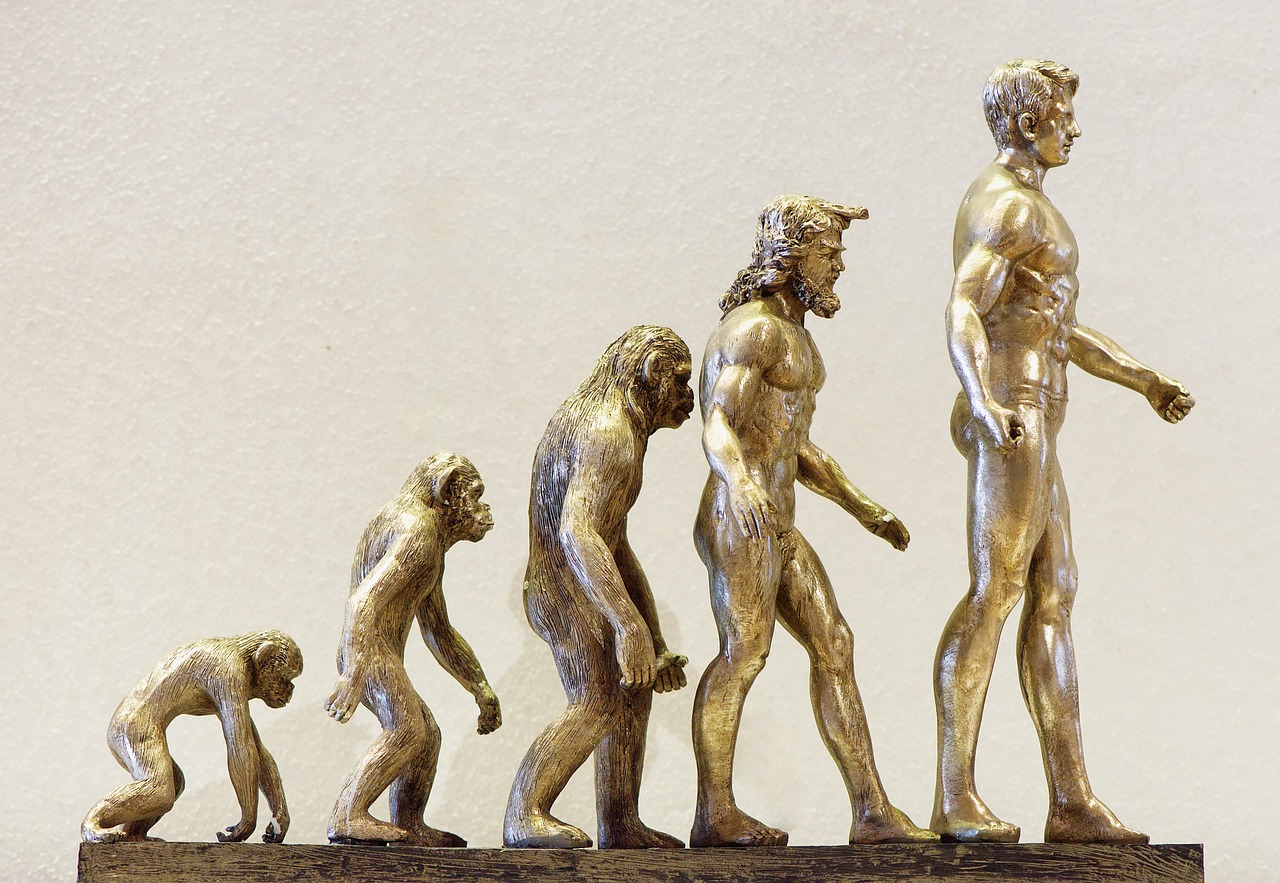
We can hardly imagine what human beings might look like three million years from today. Yet, if history is anything to go by, one thing is certain: if humanity is still here, we will have changed in ways we cannot possibly comprehend today. Whether you believe in the theory of evolution or not, East Africa offers a remarkable opportunity to travel back through the story of human origins.
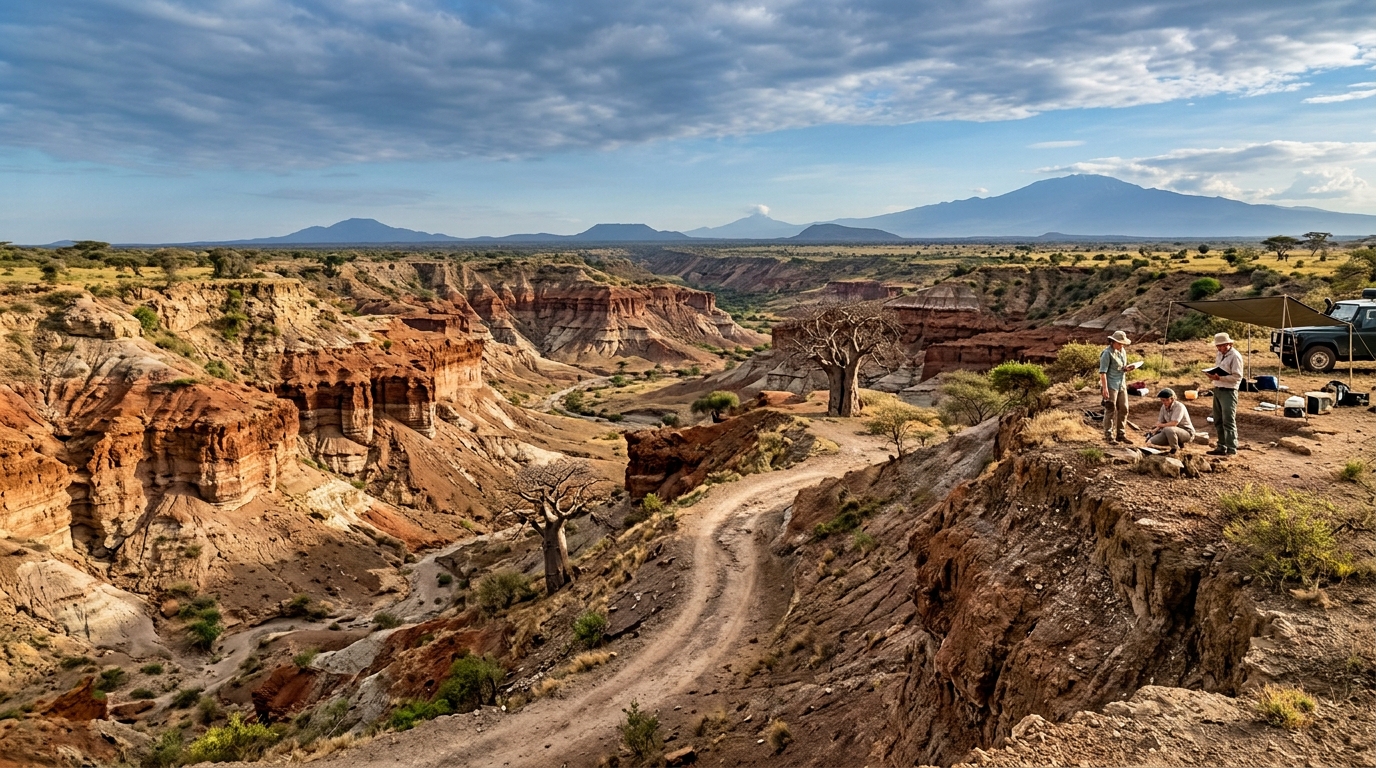
The region's ancient landscapes hold the most compelling clues about our origins. The following are the top 8 sites that anchor the region as humanity’s birthplace.
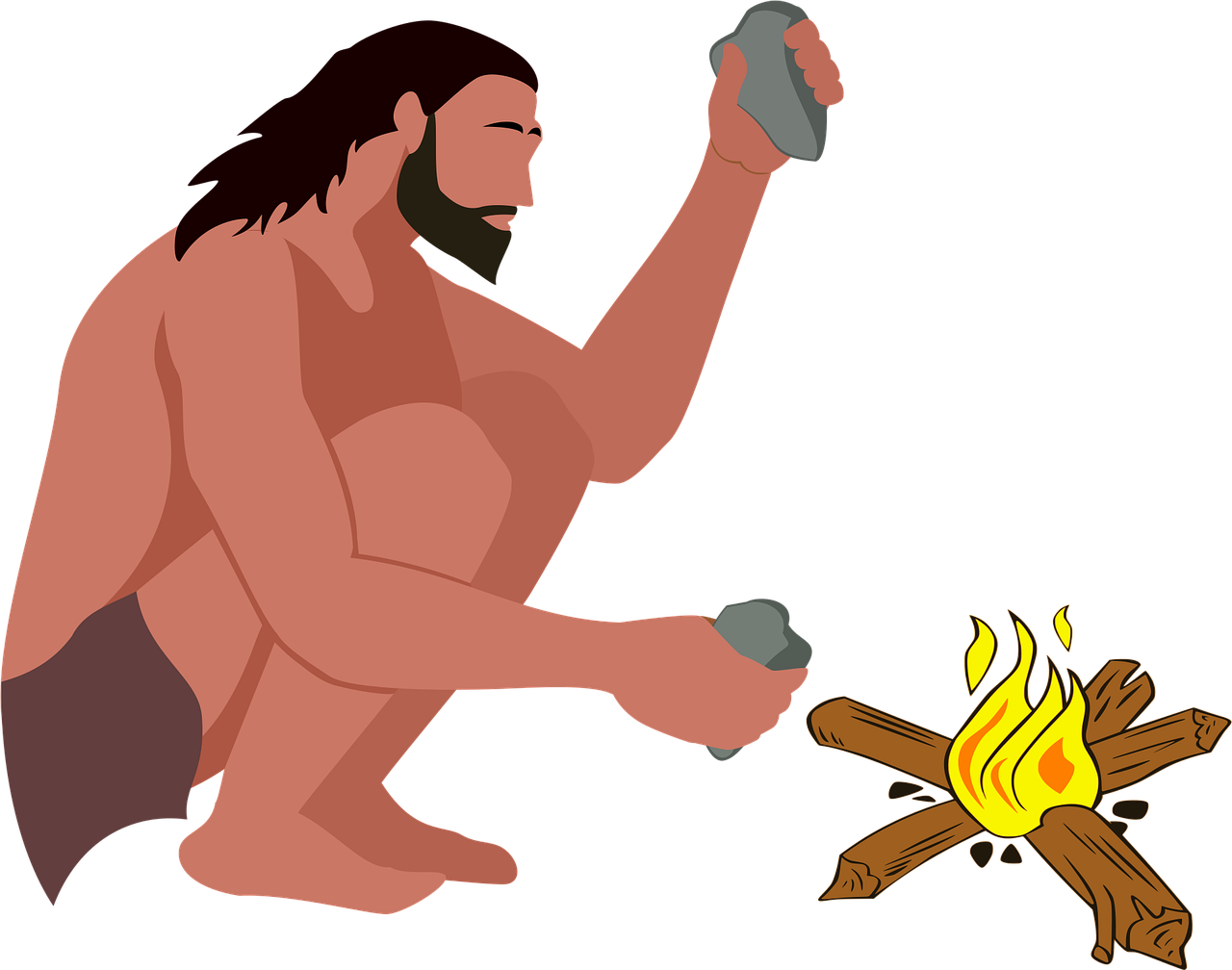
- Olduvai Gorge, Tanzania – Often called the “Cradle of Mankind,” Olduvai yielded the first Homo habilis fossils, reshaping our view of early tool use. Layers of volcanic ash preserve a timeline that spans over two million years. The site’s stone tools reveal a leap in cognitive ability, linking anatomy to behavior. Visiting Olduvai lets you walk where the first ancestors knapped their first flakes.
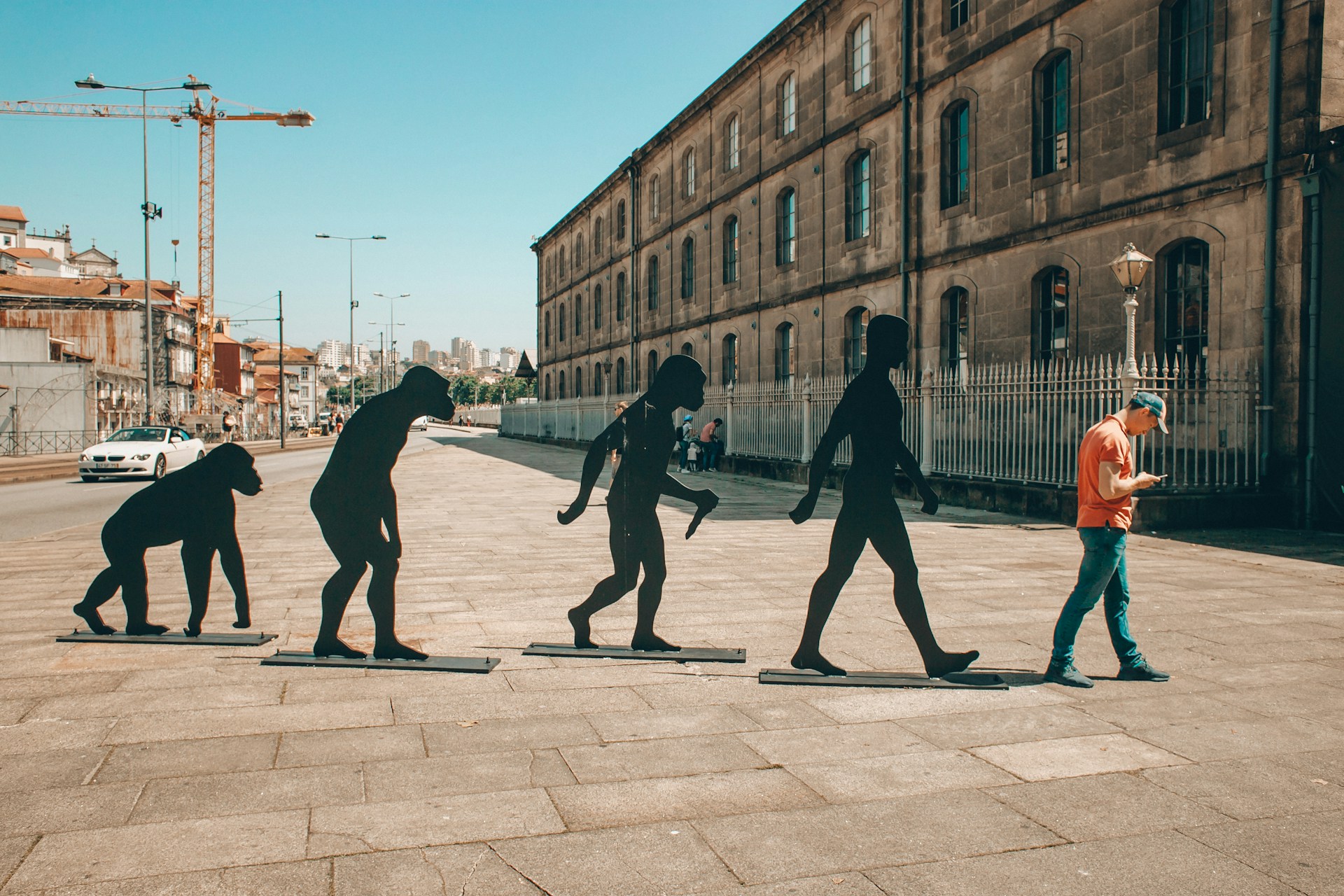 2. Laetoli, Tanzania – The famous 3.6‑million‑year‑old footprints capture early hominins walking upright on volcanic ash. The prints show a bipedal gait remarkably similar to modern humans, confirming early locomotion. Preserved in fine‑grained tuff, they offer a rare snapshot of daily life. Laetoli’s open plains let travelers imagine the ancient savanna that shaped our ancestors.
3. Koobi Fora, Kenya – This expansive research area has produced over 200 fossil specimens, including Homo erectus skulls and robust australopithecines. The stratigraphy records climatic shifts that drove evolutionary change. Tool assemblages reveal adaptive strategies for varied environments. Koobi Fora’s remote outcrops provide a vivid sense of the rugged terrain early humans mastered.
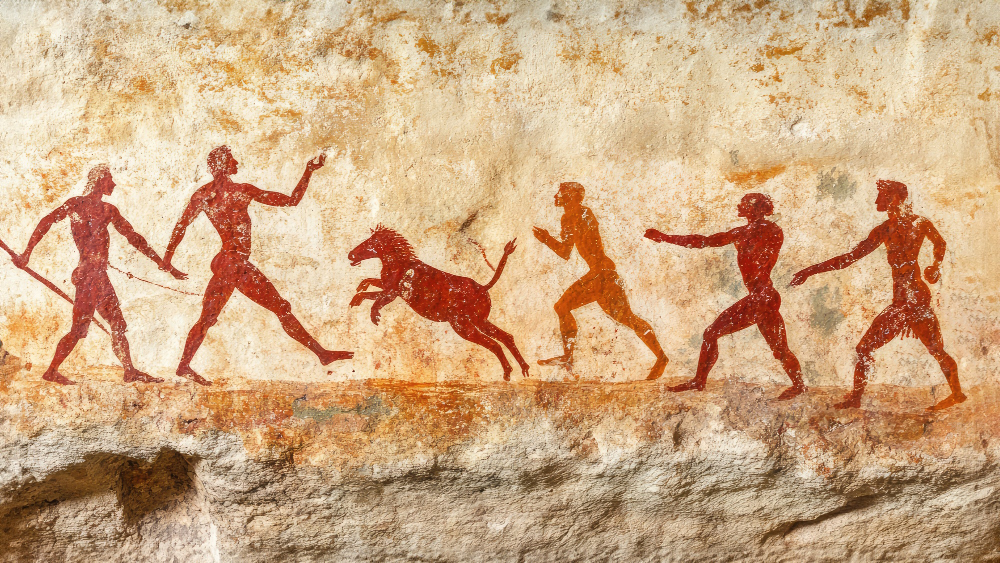 4. Hadar, Ethiopia – Home to the iconic “Lucy” (Australopithecus afarensis) skeleton, Hadar showcases a 3.2‑million‑year‑old hominin with a pelvis suited for upright walking. The surrounding sediment layers chronicle a transition from forested to open grassland habitats. Associated stone tools hint at early foraging behaviors. Hadar’s dramatic escarpments inspire awe at the scale of human evolution.
5. Omo Kibish, Ethiopia – The Omo Kibish Formation yielded the earliest known Homo sapiens fossils, dated to about 195,000 years ago. These remains display fully modern cranial features, confirming the emergence of anatomically modern humans in East Africa. The site’s riverine context suggests early humans exploited diverse water resources. Omo Kibish illustrates the final steps toward contemporary humanity.
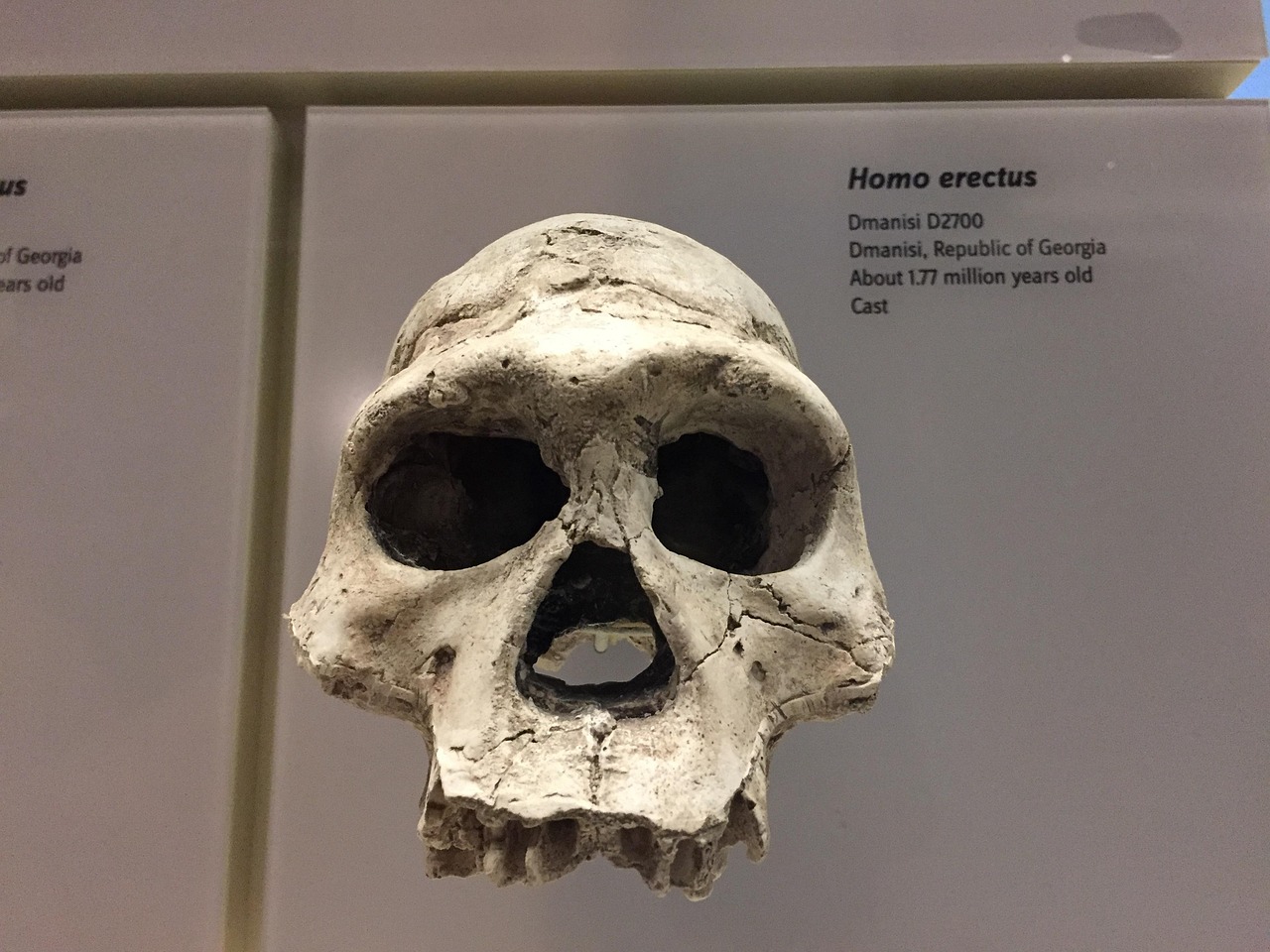 6. Bouri, Ethiopia – Bouri’s 2.5‑million‑year‑old sites contain Paranthropus boisei and early Homo fossils alongside stone tools. The coexistence of multiple hominin species highlights ecological competition. Isotopic analysis of teeth shows diet shifts between forest and savanna foods. Bouri’s layered deposits let visitors trace the adaptive pathways of early hominins.
7. Turkana Basin, Kenya – This vast basin hosts the legendary “Turkana Boy,” a nearly complete Homo erectus skeleton dated to 1.6 million years. The fossil’s growth plates reveal rapid childhood development, informing debates on life history. Adjacent sites preserve diverse toolkits, reflecting cultural complexity. The basin’s stark lakeshore vistas underscore the harsh environments early humans endured.
8. Kapthurin, Kenya – Kapthurin’s 500,000‑year‑old Acheulean handaxes illustrate the refinement of bifacial technology. The site also contains early evidence of controlled fire, marking a pivotal behavioral shift. Sediment layers record alternating wet and dry periods, shaping hominin mobility. Kapthurin’s rolling hills offer a panoramic view of the ancient landscape that nurtured innovation.
These eight sites collectively map the journey from early bipedalism to fully modern humans, proving East Africa’s central role in our story. Each destination invites travelers to step into deep time and witness evolution firsthand.
We can hardly imagine what human beings might look like three million years from today. Yet, if history is anything to go by, one thing is certain: if humanity is still here, we will have changed in ways we cannot possibly comprehend today. Whether you believe in the theory of evolution or not, East Africa offers a remarkable opportunity to travel back through the story of human origins.
The region's ancient landscapes hold the most compelling clues about our origins. The following are the top 8 sites that anchor the region as humanity’s birthplace.
- Olduvai Gorge, Tanzania – Often called the “Cradle of Mankind,” Olduvai yielded the first Homo habilis fossils, reshaping our view of early tool use. Layers of volcanic ash preserve a timeline that spans over two million years. The site’s stone tools reveal a leap in cognitive ability, linking anatomy to behavior. Visiting Olduvai lets you walk where the first ancestors knapped their first flakes.
2. Laetoli, Tanzania – The famous 3.6‑million‑year‑old footprints capture early hominins walking upright on volcanic ash. The prints show a bipedal gait remarkably similar to modern humans, confirming early locomotion. Preserved in fine‑grained tuff, they offer a rare snapshot of daily life. Laetoli’s open plains let travelers imagine the ancient savanna that shaped our ancestors.
3. Koobi Fora, Kenya – This expansive research area has produced over 200 fossil specimens, including Homo erectus skulls and robust australopithecines. The stratigraphy records climatic shifts that drove evolutionary change. Tool assemblages reveal adaptive strategies for varied environments. Koobi Fora’s remote outcrops provide a vivid sense of the rugged terrain early humans mastered.
4. Hadar, Ethiopia – Home to the iconic “Lucy” (Australopithecus afarensis) skeleton, Hadar showcases a 3.2‑million‑year‑old hominin with a pelvis suited for upright walking. The surrounding sediment layers chronicle a transition from forested to open grassland habitats. Associated stone tools hint at early foraging behaviors. Hadar’s dramatic escarpments inspire awe at the scale of human evolution.

5. Omo Kibish, Ethiopia – The Omo Kibish Formation yielded the earliest known Homo sapiens fossils, dated to about 195,000 years ago. These remains display fully modern cranial features, confirming the emergence of anatomically modern humans in East Africa. The site’s riverine context suggests early humans exploited diverse water resources. Omo Kibish illustrates the final steps toward contemporary humanity.
6. Bouri, Ethiopia – Bouri’s 2.5‑million‑year‑old sites contain Paranthropus boisei and early Homo fossils alongside stone tools. The coexistence of multiple hominin species highlights ecological competition. Isotopic analysis of teeth shows diet shifts between forest and savanna foods. Bouri’s layered deposits let visitors trace the adaptive pathways of early hominins.
7. Turkana Basin, Kenya – This vast basin hosts the legendary “Turkana Boy,” a nearly complete Homo erectus skeleton dated to 1.6 million years. The fossil’s growth plates reveal rapid childhood development, informing debates on life history. Adjacent sites preserve diverse toolkits, reflecting cultural complexity. The basin’s stark lakeshore vistas underscore the harsh environments early humans endured.


8. Kapthurin, Kenya – Kapthurin’s 500,000‑year‑old Acheulean handaxes illustrate the refinement of bifacial technology. The site also contains early evidence of controlled fire, marking a pivotal behavioral shift. Sediment layers record alternating wet and dry periods, shaping hominin mobility. Kapthurin’s rolling hills offer a panoramic view of the ancient landscape that nurtured innovation.
These eight sites collectively map the journey from early bipedalism to fully modern humans, proving East Africa’s central role in our story. Each destination invites travelers to step into deep time and witness evolution firsthand.
By Fàith Wambua
September 3, 2026

Comments (0)
No comments yet. Be the first to comment!
Leave a Comment
Please log in to leave a comment.
Login to Comment Register