
Nairobi National Park: The Ultimate Safari Next to a Bustling City
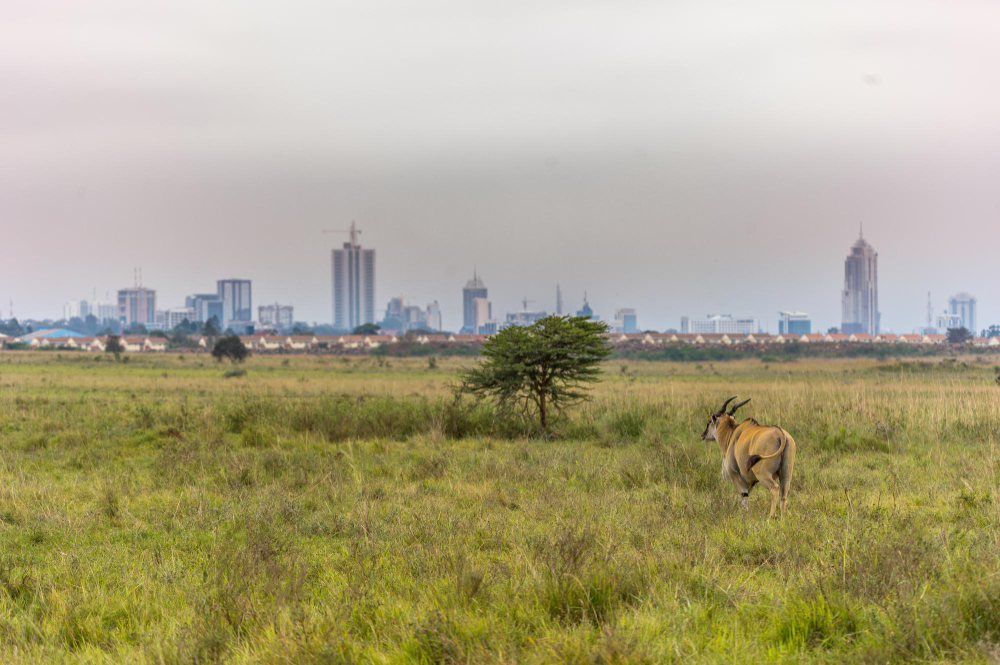 Just minutes from the busy streets of Nairobi, lions roam across golden grasslands while giraffes walk against the backdrop of skyscrapers. This rare contrast between wilderness and urban life makes Nairobi National Park one of the most unique wildlife destinations in the world.
Established in 1946, the park is Kenya’s oldest national park and a remarkable conservation success story. Despite being located within the boundaries of a major capital city, it supports a thriving ecosystem of wildlife, birds, and plants. Visitors can enjoy a full safari experience only minutes away from Nairobi’s city centre.
📍 Location and Accessibility
Nairobi National Park is located about 7 kilometres south of Nairobi’s Central Business District, making it one of the most accessible national parks in the world.
A short 15–30 minute drive from the city center takes visitors directly into open savannah landscapes filled with wildlife. The park is bordered by the city on three sides while its southern boundary remains open, allowing animals to migrate into the wider Athi–Kapiti ecosystem.
This unique location allows tourists to enjoy a true safari experience while still staying within the city.
 🏞️ Attractions Around the Park
Several attractions located within and around the park offer educational and wildlife experiences.
1. Nairobi Safari Walk
A raised wooden boardwalk that allows visitors to explore wildlife habitats while observing animals and plants in a natural setting.
2. Animal Orphanage
A wildlife rehabilitation centre that cares for injured, orphaned, or rescued animals before releasing them back into the wild.
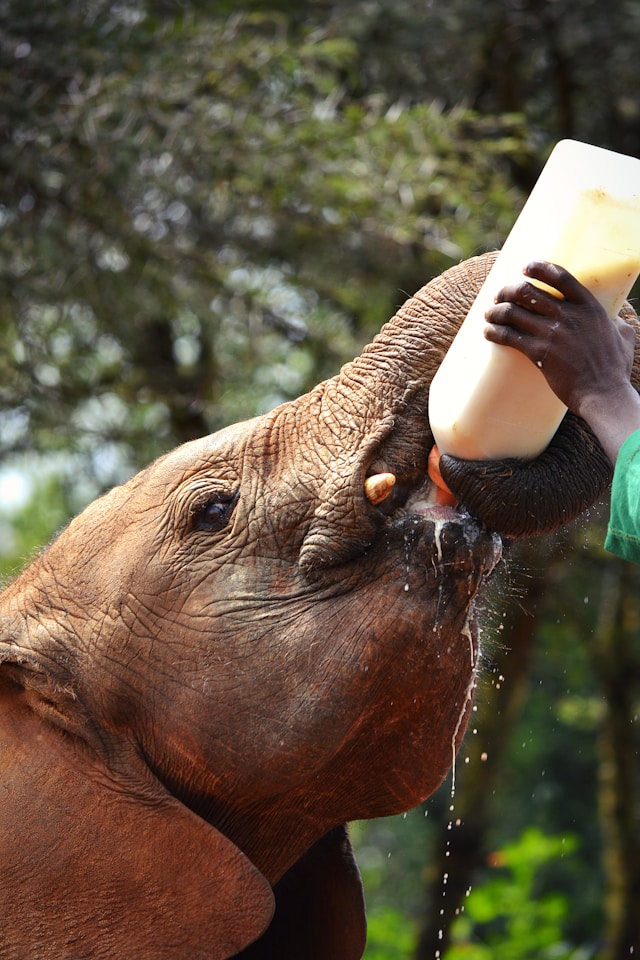
3. Sheldrick Wildlife Trust Elephant Nursery
The famous David Sheldrick Wildlife Trust rescues and rehabilitates orphaned baby elephants. Visitors can watch the elephants being fed and learn about elephant conservation.
4. Ivory Burning Site
A historic conservation monument where Kenya made a powerful stand against wildlife poaching.
In 1989, President Daniel Toroitich Arap Moi burned 12 tons of ivory, sending a global message against the illegal ivory trade. Later in 2016, President Uhuru Muigai Kenyatta oversaw the burning of 105 tons of ivory and 1.35 tons of rhino horn, the largest ivory burn in history.
 Wildlife in the Park.
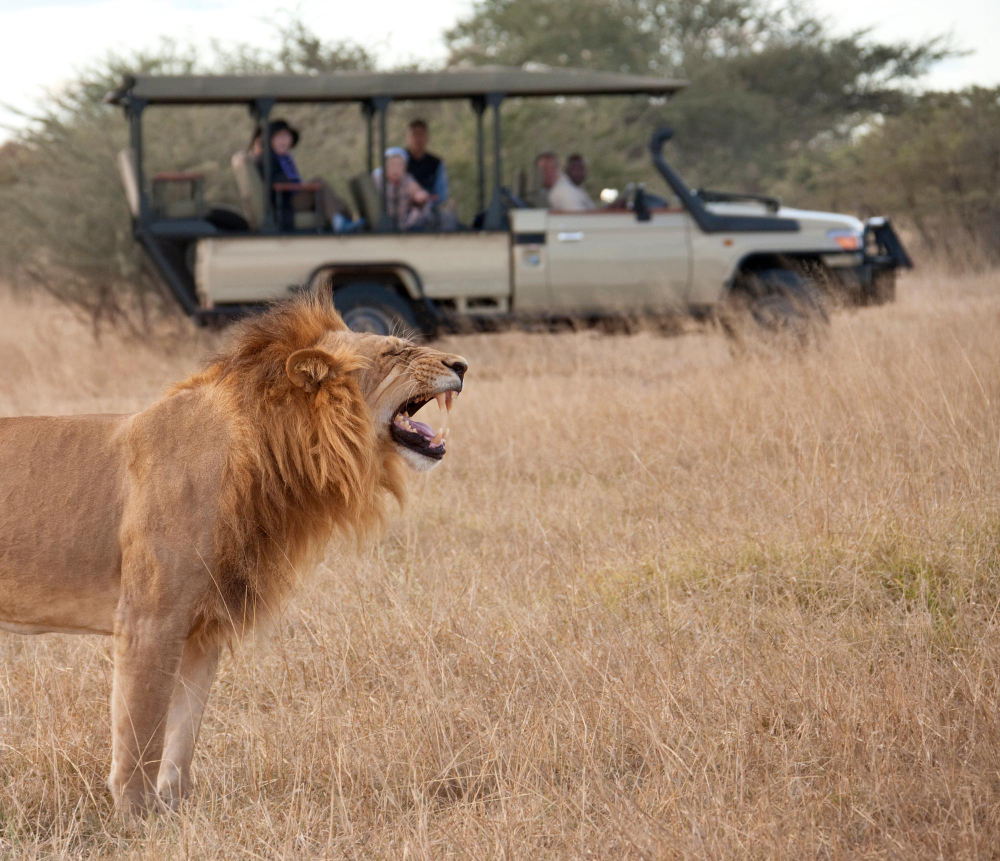
The park has over 100 mammal species and other animals which are as follows;
- The big four- The black Rhino, Lions, Leopards and the Buffalos.
- Herbivores- Maasai giraffes, Plain Zebras, Hippos( found in the hippo pools) and the Wildebeest.
- Antelopes- Impala, Grant’s and the Thompson gazelles, Coke’s hartebeest, common eland and waterbuck.
- Small predators – Cheetahs, Spotted hyenas, black backed jackals and serval cats.
- Primates and others – Olive baboons, Velvet monkeys, Crocodiles, Monitor lizards and Common Warthogs.
The best time to visit the park for game viewing is during the dry seasons, that is; from June to October and from January to March. This is because during these Months, sparse vegetation and receding water sources force animals to congregate around permanent dams and river sources, making them easier to spot.
Activities Visitors can enjoy.
Visitors can engage themselves in different activities around the park, including the following;
- Game drives- The best times for game drives in order to spot the predators are around 6 am to 10 am for rhinos, and between 3:00 pm and 6:30 pm.
- Bird Watching- The best times for birdwatching are from November to December due to the bird migration season.
- Photography- It is advisable to visit in the morning hours in order to have the best photography lighting from the morning sun.
- Nature Walks – Experience a 2.5km guided trail that follows the banks of the Mbagathi River in the Hippo pool. You will see: Hippos submerged in the pools, Crocodiles basking on the banks, herons and fish eagles. At the end of the trail, you will meet with the Maasai vendors selling handmade crafts and jewelry, and in the trees, you will also see the velvet monkeys.
- Picnicking- There are several picnic areas at the park, which include the following;
- Hippo pool picnic site
- King Fisher picnic site
Accommodation facilities.
There are accommodation facilities inside the park, which include tented camps and lodges. They include the following;
- Nairobi tented camp- It is found within the park’s forested area. It features 9 en-suite safari tents, charging from USD110 to USD130 per person, depending on the season as of the year 2026
- Ololo safari lodge- It has 16 thatched rooms and an organic farm-to-table dining experience with charges starting from USD 490 per adult sharing as of the year 2026
- The Emakoko
- Maasai Lodge Hotel
- Public camping- which is more affordable for those on a tight budget. With charges ranging from Ksh 200-250 for Citizens/Residents and USD 20-35 for international residents.
Park Entry Fees ( Conservation fees).
| Category | Adult per day | Child/ student per day. |
| Kenya/ East African Citizen | Ksh. 1000 | Ksh. 500 |
| Kenyan Resident | Ksh. 1350 | Ksh. 675 |
| African Resident( non EAC) | USD 40 | USD 20 |
| International(non resident) | USD 80 | USD 40 |
It is free for children under the age of 5 years, Citizens aged 70 years and above, and persons with disabilities. Students get discounted rates up to 23 years old on pre-arranged school-organized trips with prior Kenya Wildlife Service authorization.
Vehicle entry fees.
| Vehicle | Seats | Amount in Ksh. |
| Private car/ SUV | Fewer than 6 seats | 600 |
| Safari Van | 6-12 seats | 1500 |
| Mini-bus/ Coaster | 13-24 seats | 3000 |
| Large bus/ Coach | 45+seats | 5000 |
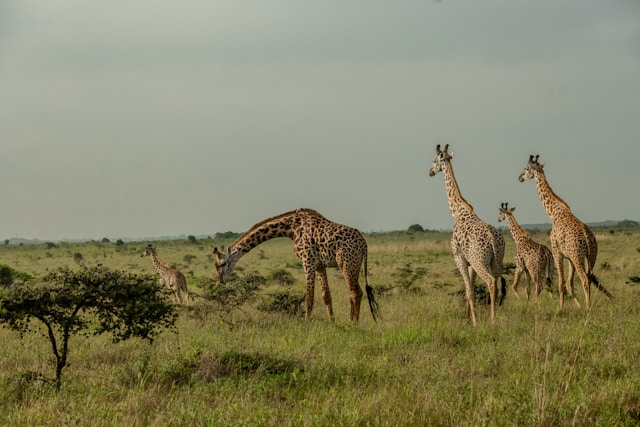 Nairobi National Park is a remarkable natural treasure located right next to Kenya’s capital city. Its diverse wildlife, beautiful landscapes, and conservation significance make it one of the most important and unique national parks in the world. Whether for tourism, research, or education, the park offers an unforgettable experience of African wildlife just minutes away from the busy streets of Nairobi.
Nairobi National Park: The Ultimate Safari Next to a Bustling City
Just minutes from the busy streets of Nairobi, lions roam across golden grasslands while giraffes walk against the backdrop of skyscrapers. This rare contrast between wilderness and urban life makes Nairobi National Park one of the most unique wildlife destinations in the world.
Established in 1946, the park is Kenya’s oldest national park and a remarkable conservation success story. Despite being located within the boundaries of a major capital city, it supports a thriving ecosystem of wildlife, birds, and plants. Visitors can enjoy a full safari experience only minutes away from Nairobi’s city centre.
📍 Location and Accessibility
Nairobi National Park is located about 7 kilometres south of Nairobi’s Central Business District, making it one of the most accessible national parks in the world.
A short 15–30 minute drive from the city center takes visitors directly into open savannah landscapes filled with wildlife. The park is bordered by the city on three sides while its southern boundary remains open, allowing animals to migrate into the wider Athi–Kapiti ecosystem.
This unique location allows tourists to enjoy a true safari experience while still staying within the city.

🏞️ Attractions Around the Park
Several attractions located within and around the park offer educational and wildlife experiences.
1. Nairobi Safari Walk
A raised wooden boardwalk that allows visitors to explore wildlife habitats while observing animals and plants in a natural setting.
2. Animal Orphanage
A wildlife rehabilitation centre that cares for injured, orphaned, or rescued animals before releasing them back into the wild.
3. Sheldrick Wildlife Trust Elephant Nursery
The famous David Sheldrick Wildlife Trust rescues and rehabilitates orphaned baby elephants. Visitors can watch the elephants being fed and learn about elephant conservation.
4. Ivory Burning Site
A historic conservation monument where Kenya made a powerful stand against wildlife poaching.
In 1989, President Daniel Toroitich Arap Moi burned 12 tons of ivory, sending a global message against the illegal ivory trade. Later in 2016, President Uhuru Muigai Kenyatta oversaw the burning of 105 tons of ivory and 1.35 tons of rhino horn, the largest ivory burn in history.
Wildlife in the Park.
The park has over 100 mammal species and other animals which are as follows;
- The big four- The black Rhino, Lions, Leopards and the Buffalos.
- Herbivores- Maasai giraffes, Plain Zebras, Hippos( found in the hippo pools) and the Wildebeest.
- Antelopes- Impala, Grant’s and the Thompson gazelles, Coke’s hartebeest, common eland and waterbuck.
- Small predators – Cheetahs, Spotted hyenas, black backed jackals and serval cats.
- Primates and others – Olive baboons, Velvet monkeys, Crocodiles, Monitor lizards and Common Warthogs.
The best time to visit the park for game viewing is during the dry seasons, that is; from June to October and from January to March. This is because during these Months, sparse vegetation and receding water sources force animals to congregate around permanent dams and river sources, making them easier to spot.
Activities Visitors can enjoy.
Visitors can engage themselves in different activities around the park, including the following;
- Game drives- The best times for game drives in order to spot the predators are around 6 am to 10 am for rhinos, and between 3:00 pm and 6:30 pm.
- Bird Watching- The best times for birdwatching are from November to December due to the bird migration season.
- Photography- It is advisable to visit in the morning hours in order to have the best photography lighting from the morning sun.
- Nature Walks – Experience a 2.5km guided trail that follows the banks of the Mbagathi River in the Hippo pool. You will see: Hippos submerged in the pools, Crocodiles basking on the banks, herons and fish eagles. At the end of the trail, you will meet with the Maasai vendors selling handmade crafts and jewelry, and in the trees, you will also see the velvet monkeys.
- Picnicking- There are several picnic areas at the park, which include the following;
- Hippo pool picnic site
- King Fisher picnic site
Accommodation facilities.
There are accommodation facilities inside the park, which include tented camps and lodges. They include the following;
- Nairobi tented camp- It is found within the park’s forested area. It features 9 en-suite safari tents, charging from USD110 to USD130 per person, depending on the season as of the year 2026
- Ololo safari lodge- It has 16 thatched rooms and an organic farm-to-table dining experience with charges starting from USD 490 per adult sharing as of the year 2026
- The Emakoko
- Maasai Lodge Hotel
- Public camping- which is more affordable for those on a tight budget. With charges ranging from Ksh 200-250 for Citizens/Residents and USD 20-35 for international residents.
Park Entry Fees ( Conservation fees).
| Category | Adult per day | Child/ student per day. |
| Kenya/ East African Citizen | Ksh. 1000 | Ksh. 500 |
| Kenyan Resident | Ksh. 1350 | Ksh. 675 |
| African Resident( non EAC) | USD 40 | USD 20 |
| International(non resident) | USD 80 | USD 40 |
It is free for children under the age of 5 years, Citizens aged 70 years and above, and persons with disabilities. Students get discounted rates up to 23 years old on pre-arranged school-organized trips with prior Kenya Wildlife Service authorization.
Vehicle entry fees.
| Vehicle | Seats | Amount in Ksh. |
| Private car/ SUV | Fewer than 6 seats | 600 |
| Safari Van | 6-12 seats | 1500 |
| Mini-bus/ Coaster | 13-24 seats | 3000 |
| Large bus/ Coach | 45+seats | 5000 |
Nairobi National Park is a remarkable natural treasure located right next to Kenya’s capital city. Its diverse wildlife, beautiful landscapes, and conservation significance make it one of the most important and unique national parks in the world. Whether for tourism, research, or education, the park offers an unforgettable experience of African wildlife just minutes away from the busy streets of Nairobi.
By Fàith Wambua
March 11, 2026
Comments (0)
No comments yet. Be the first to comment!
Leave a Comment
Please log in to leave a comment.
Login to Comment Register